


One strong sales month can turn insurance from a back-burner task into an account problem. If your store crosses Amazon’s threshold, you may have only 30 days to show proof of coverage.
That doesn’t mean every seller needs the same policy. A handmade shop, a private-label brand, and a seven-figure importer face different claim risks. The best amazon seller insurance in 2026 is the one that fits your products, channels, and growth stage.
What Amazon expects from sellers in 2026
Amazon’s rule is simple on paper. Once you exceed $10,000 in gross sales in one month, you may need commercial liability insurance that meets the platform’s standards. That applies to both FBA and FBM sellers. You can confirm the current language in Amazon’s liability insurance requirements.
As of the latest published guidance, Amazon wants a policy with at least $1 million in coverage, an occurrence-based form, and Amazon named as an additional insured. Your deductible can’t exceed $10,000. The insurer also needs a strong financial rating, usually S&P A- or AM Best A- or better.
If Amazon requests proof, sellers generally have 30 days to upload a certificate of insurance. That deadline matters because a paperwork delay can create account headaches even when you already bought the policy.
FBA sellers sometimes assume Amazon’s fulfillment network shields them from product claims. It doesn’t. If your product injures someone or damages property, the claim can still land on your business. FBM sellers usually carry even more exposure because they also control storage, packing, and shipping.
Amazon’s minimum is about platform compliance. Your bigger risk is the claim that shows up after a customer gets hurt.
So, treat the platform rule as a floor, not a full insurance plan. Before you buy, confirm the latest wording in Seller Central and ask the insurer to confirm that your policy form, limits, and certificate match Amazon’s current requirements.
Top Amazon seller insurance providers at a glance
Some sellers want the fastest quote. Others need a custom program because they import, hold inventory, or sell on Amazon, Shopify, and wholesale accounts at the same time. That difference is why the market splits into direct online insurers, comparison marketplaces, and broker-led custom providers.
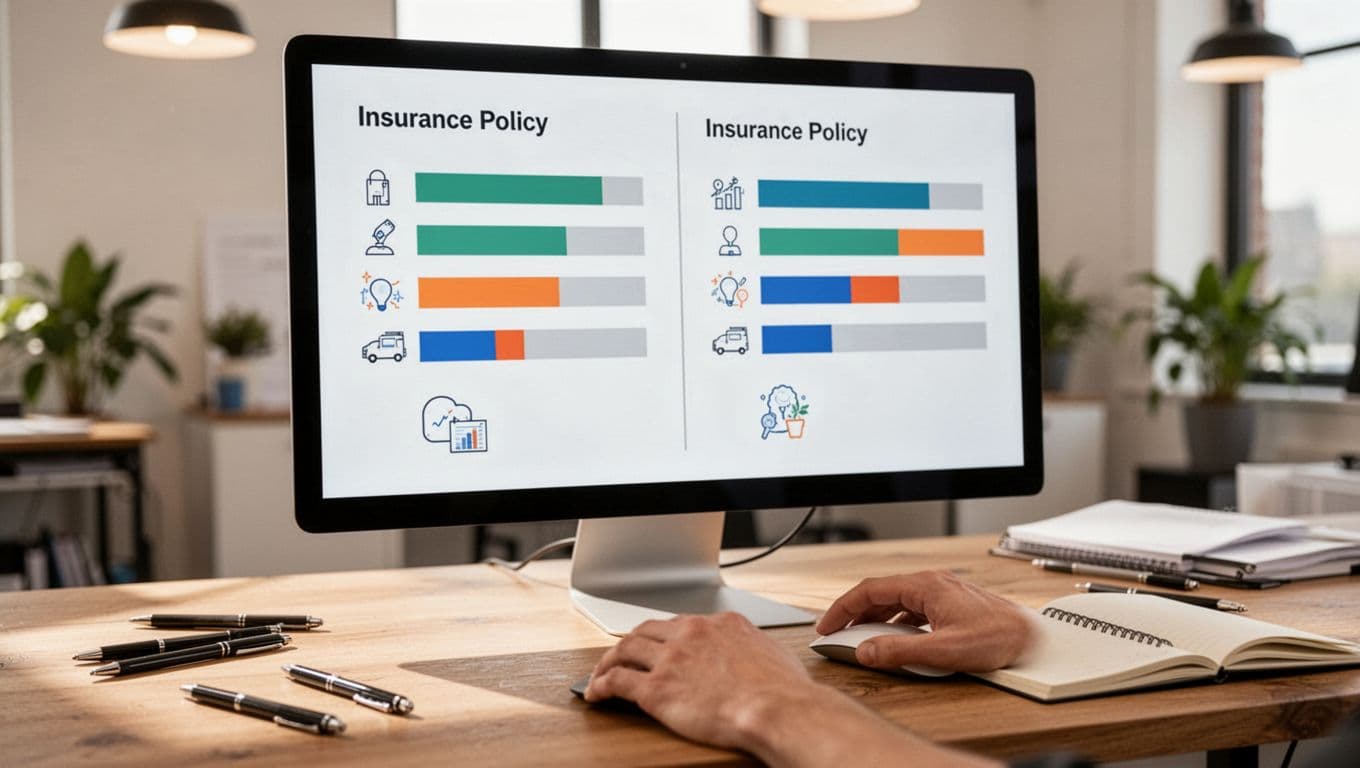
This quick table sets the field:
| Provider | Best for | Strengths | Watch-out |
|---|---|---|---|
| NEXT Insurance | New and growing sellers | Fast online quotes, Amazon-friendly path | Complex risks may outgrow it |
| Insurance Canopy | Private-label and multi-channel small brands | Strong ecommerce focus, simple setup | Fewer custom layers in base plan |
| Insureon | Quote shoppers | Multiple carriers, broad policy menu | Terms vary by carrier |
| TechInsurance | Sellers who want agent help | Quote comparison plus phone support | Also depends on carrier fit |
| Hiscox | Established small brands | Well-known small-business insurer | Product appetite varies |
| Thimble | Micro sellers and handmade shops | Quick, flexible buying process | May be too light for bigger risks |
| Founder Shield | High-revenue brands and importers | Custom broker support, layered coverage | No instant pricing |
| Proper Insurance | Complex e-commerce operations | Custom coverage design | Better fit once risk grows |
The takeaway is clear. If you want speed and a clean online process, NEXT, Insurance Canopy, and Thimble stand out. If you want broader choice, start with Insureon or TechInsurance. For larger brands with warehouses, imports, or higher limits, Founder Shield and Proper become more compelling.
Best providers, and who they’re best for
NEXT Insurance
NEXT is one of the easiest places to start. Its current Amazon seller cost page says some policies start as low as $25 per month, though that figure won’t apply to every seller. Real pricing depends on product risk, revenue, employees, and claims history.
For Amazon merchants, NEXT’s main appeal is speed. Online quotes are fast, and its Pro and Pro Plus options are positioned to meet Amazon requirements. It’s a strong fit for newer sellers, low-to-mid risk catalogs, and owners who want to buy online without a broker call. If you import higher-risk products or need layered coverage, you may outgrow it.
Insurance Canopy
Insurance Canopy has become a popular pick because its policy is built around e-commerce sellers. On Insurance Canopy’s Amazon seller policy page, the company says most sellers pay an average of $116 per month or less, with coverage built to satisfy Amazon’s minimum requirements.
That positioning makes it attractive for private-label sellers, handmade brands, and multi-marketplace merchants who want one clean liability solution. The company also highlights FBA, FBM, white-label, and indie brand use cases. Where it can fall short is depth. If you need cyber, higher umbrella limits, or more custom property and warehouse protection, you may need extra policies or a brokered setup.
Insureon
Insureon works well for sellers who don’t want to guess which carrier fits them. Its Amazon seller insurance guide lets you compare quotes from multiple insurers, and it can also help with workers’ compensation, cyber liability, and umbrella coverage.
That broader menu is useful if your store has employees, multiple states of operation, or a need for more than basic liability. The trade-off is consistency. Insureon is a marketplace, so your experience depends on the carrier and policy you choose, not just the platform. Read the proposal closely and check that the final certificate matches Amazon’s wording before you pay.
TechInsurance
TechInsurance sits in a similar lane to Insureon, but it may appeal more to sellers who want a little more hand-holding. Its Amazon seller quote page publishes sample monthly figures for general liability, business owner’s policies, and workers’ comp, which can help with rough budgeting.
For buyers, that means better transparency than many custom brokers offer. It’s a good fit for price shoppers and owners who want agent support without giving up online comparison tools. The downside is the same marketplace issue: policy quality depends on the carrier you land with. Good support helps, but you still need to review exclusions, limits, and product class eligibility yourself.
Hiscox
Hiscox is a familiar name in small-business insurance, and that matters if you want a more traditional insurer with strong digital tools. In CapForge’s Amazon insurance roundup, Hiscox is described as being on Amazon’s pre-approved provider list, which may ease some compliance concerns.
Hiscox is often a good fit for established small brands that also want cyber coverage or a business owner’s policy. Still, product type matters. Some sellers with imported goods, children’s products, supplements, electronics, or other higher-hazard categories may need a brokered option instead. Before you bind, ask about product liability wording, inventory coverage, and whether business interruption can be added.
Thimble
Thimble is best known for speed and flexibility. It also appears on ComplianceGate’s provider list, which is useful if you’re trying to build a shortlist of companies that work with Amazon sellers.
This is usually a better fit for micro sellers, lower-risk handmade stores, and merchants who want a quick online path. The limits of that approach show up as your business gets more complex. Importers, brands with larger inventory positions, and sellers who need cyber, umbrella, or broader property coverage may find Thimble too narrow. Confirm that your exact product class is eligible and that the policy documents line up with Amazon’s requirements.
Founder Shield
Founder Shield is a stronger option for higher-revenue brands than for small side hustles. It operates more like a broker-led solution, which helps when you need product liability plus cyber, property, cargo, or excess liability built into one coordinated program.
That makes it appealing for importers, venture-backed brands, and sellers that operate across Amazon, Shopify, retail, and wholesale. The trade-off is speed. Public pricing is limited, and quotes are usually custom. If your main goal is the cheapest fast certificate, Founder Shield is probably more than you need. If you care about higher limits and fewer coverage gaps, it moves up the list.
Proper Insurance
Proper Insurance is usually worth a look once your risk profile stops being simple. Sellers tend to consider it when they want a more tailored e-commerce insurance program instead of a one-size-fits-most policy.
Its appeal is custom planning. That can matter if you hold inventory outside Amazon, import from overseas suppliers, or want broader protection around warehouse stock and business interruption. The downside is familiar: custom programs take more time, and small sellers may find cheaper options elsewhere. For private-label brands with real scale, Proper can make more sense than a fast online quote that only solves the Amazon certificate problem.
Coverage types that matter more than Amazon’s minimum
Amazon mainly checks for liability, but your business can lose money in other ways. That’s why the cheapest compliant policy isn’t always the best choice.
General liability is the base layer. It usually covers bodily injury, property damage, and some advertising injury claims. For Amazon sellers, this is part of the platform requirement, but it doesn’t solve every product-related issue.
Product liability is the core concern for most sellers. If a charger overheats, a toy causes injury, or a kitchen tool damages property, this is the coverage that matters. Private-label brands and importers should pay close attention here because the claim often points back to the seller of record.
A low premium looks great until you find out the policy excludes the products that make you money.
Cyber liability matters more in 2026 than it did a few years ago. Even if Amazon handles part of the transaction flow, sellers still use email tools, apps, ad accounts, and customer systems that can create a data or ransomware problem.
Commercial property and inventory coverage protect stock, equipment, and sometimes goods in storage. This matters more for FBM sellers, merchants with prep space, and brands that hold inventory outside Amazon’s network.
Business interruption helps when a covered event shuts down operations and cuts revenue. That can be useful if a warehouse fire, severe storm, or other insured event stops fulfillment.
Umbrella or excess liability adds higher limits above your base liability policy. Sellers in higher-risk categories, or those with large revenue and deeper pockets, often need this more than beginners do.
Which policy fits your seller model
The best policy depends less on your channel badge and more on your risk mix. FBA lowers some logistics burden, but it does not remove product liability. FBM adds more control, which also adds more exposure around storage and shipping.

New sellers and low-volume stores
If you’re early, speed and cost matter. NEXT, Thimble, and Insurance Canopy are often the most practical starting points. They work well when you need straightforward liability coverage, quick certificates, and a buying process that doesn’t eat up a week.
Private-label brands and importers
Once your name is on the product, the stakes rise. Insurance Canopy is still attractive for many smaller private-label brands, but larger importers should also look at Proper and Founder Shield. Those options make more sense when overseas sourcing, warehouse stock, and higher claim severity start to show up in the underwriting conversation.
High-revenue and multi-channel merchants
A seller doing serious volume on Amazon, Shopify, Walmart Marketplace, and wholesale accounts usually needs more than a platform-compliance policy. Founder Shield, Proper, Insureon, and TechInsurance all deserve a close look here. Some owners also prefer Hiscox if the product class fits and they want a more established small-business insurer.
What affects price, and how to compare quotes
Exact pricing is still hard to pin down because most insurers underwrite by product class. A candle seller, supplement brand, and electronics importer won’t see the same premium, even at similar sales levels.
A few providers do publish rough figures:
| Source | Published figure |
|---|---|
| NEXT | Some policies start at $25/month |
| Insurance Canopy | Average of $116/month or less |
| TechInsurance | GL $42/month, BOP $95/month, workers’ comp $86/month |
Those numbers come from provider pages and should be treated as starting points, not promised quotes.
Your premium usually moves based on product risk, annual revenue, fulfillment method, inventory values, employee count, claims history, and where you sell. Imported products can raise questions because insurers may look at supplier quality control, testing, and recall exposure. FBM sellers can also see different pricing because warehousing and shipping sit closer to the business.
When you compare quotes, don’t stop at the monthly number. Check whether the policy is occurrence-based, whether Amazon can be added as an additional insured, whether the deductible fits Amazon’s limit, and whether your exact products are covered. Also ask about cyber, property, business interruption, and umbrella options now, even if you don’t buy them today. That’s how you avoid switching providers the minute your store grows.
Final thoughts
A single strong month can trigger Amazon’s insurance requirement, but that doesn’t mean you should shop only for the fastest certificate. The better move is to match coverage to your real risk, product liability first, then property, cyber, downtime, and higher limits if your business needs them.
For many small sellers, NEXT or Insurance Canopy will be enough. For quote comparison, Insureon and TechInsurance are practical. Higher-revenue brands, importers, and multi-channel merchants should give more weight to Founder Shield, Proper, and other custom options.
The safest choice is the policy that still looks good after a claim, not only at checkout. Before you bind, confirm the latest Amazon rules and have the insurer confirm the policy wording in plain English.