


Extra storage doesn’t help if it traps cash, adds fees, or slows replenishment. In 2026, Amazon AWD services can still lower FBA pressure, but only when they fit your catalog, forecast quality, and prep workflow.
That wording matters. Some sellers mean Amazon’s own Warehousing & Distribution program. Others mean the wider set of AWD-related services, such as prep partners, middle-mile 3PLs, and omnichannel storage providers that feed Amazon and other sales channels. The smart choice depends on which problem you’re fixing.
What Amazon AWD means in 2026, and where it fits
Amazon Warehousing & Distribution, usually called AWD, is Amazon’s upstream bulk storage program. It is not FBA. Instead, AWD holds reserve inventory and moves it into FBA when stock is needed. Amazon also says AWD can support non-Amazon channels, and its official AWD overview outlines eligibility, category limits, and the FBA connection.
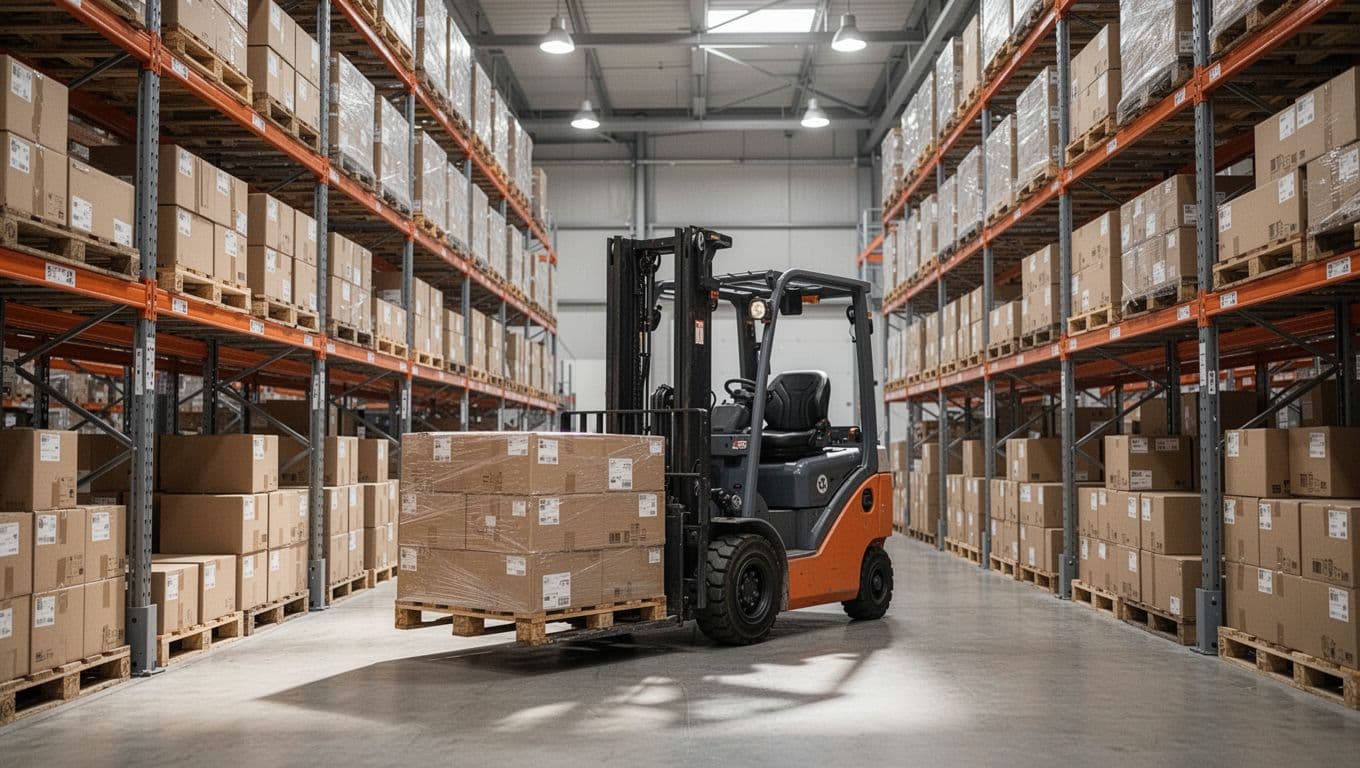
In 2026, the appeal is still clear. AWD can reduce FBA crowding, automate replenishment, and give Amazon-heavy brands one more inventory buffer. However, the fee picture changed. Reported updates that took effect in January include West region storage at $0.57 per cubic foot per month, base transportation at $1.40 per cubic foot, and Amazon-managed transport at $1.26 for qualifying shipments. A current 2026 AWD fee summary is useful for margin checks.
The bigger change is operational. Amazon ended U.S. prep and labeling services for AWD and FBA at the start of 2026. So inventory now needs to arrive ready to flow through the network. That pushes many sellers toward a hybrid setup, where AWD handles bulk storage while an outside prep or routing partner handles carton compliance first.
If your catalog needs labeling, bundling, or frequent fixes, AWD alone is usually not enough in 2026.
AWD still connects well with FBA, Multi-Channel Fulfillment, Amazon Global Logistics, SEND, and the Supply Chain Portal. Still, discounts are harder to earn than they look on paper. Sellers usually need steady demand signals, clean auto-replenishment settings, and solid inbound discipline. Also, fee details and program rules can change, so always verify live terms in Seller Central before moving large volumes.
Best Amazon AWD services and storage options compared
The best option is rarely one-size-fits-all. Some sellers want the lowest bulk storage cost inside Amazon’s system. Others need prep, routing control, or faster pivots across Shopify, Walmart, and wholesale orders.

This quick comparison shows where each model tends to win.
| Service model | Best for | What works well | Main watch-out in 2026 |
|---|---|---|---|
| Amazon AWD | FBA-heavy brands with stable demand | Low-cost bulk storage, auto-replenishment, Amazon integrations | Higher fees, no prep or labeling, discount access can be stricter |
| AWD + outside prep partner | Sellers that still want Amazon replenishment but need carton prep | Keeps inventory flowing to FBA while a partner fixes labels or packs | Two handoffs can add cost and delay |
| Middle-mile 3PL, such as providers discussed in AWD vs middle-mile logistics | Brands that want more routing control | Often includes prep, pallet work, and Amazon inbound support | Pricing varies, so compare true all-in cost |
| Omnichannel 3PL or fulfillment partner | Multi-channel merchants and cross-border sellers | One inventory pool for Amazon, DTC, and other marketplaces | Can cost more if Amazon is your only serious channel |
The takeaway is simple. Amazon AWD is strongest when your demand is predictable and your inventory is already prep-ready. A hybrid or third-party setup tends to win when flexibility matters more than tight Amazon integration.
That is why broad comparisons, such as this look at top FBA alternatives for 2026, are useful even if you still plan to use Amazon. For some brands, AWD is the core system. For others, it is only the reserve tank.
How to choose the right storage setup for your seller profile
Start with four checks before you commit inventory:
- Your demand forecast needs to be steady enough for auto-replenishment to work.
- Your products should arrive fully prepped, because Amazon no longer fixes that for you.
- Your channel mix matters, especially if Shopify or Walmart sales spike outside Amazon.
- Your transfer costs need a full model, including storage, transport, box handling, and margin drag from slow stock.
New private-label sellers
A new brand usually shouldn’t rush into a large AWD position. Forecasts are weaker, packaging often changes, and relabeling issues are common. In most cases, a smaller 3PL or prep-first hybrid is safer until sales history is clean.
High-volume brands
Large FBA brands often get the best use from Amazon AWD services. If you move pallets consistently, maintain strong inbound discipline, and qualify for better transport or storage rates, AWD can reduce stockout risk without overloading FBA.
Seasonal sellers
Seasonal catalogs need caution. AWD can work for core SKUs, but long quiet periods can make storage less attractive. A flexible external 3PL often gives better control when demand swings hard between peak and off-season.
Multi-channel merchants
If Amazon is only one channel, don’t let AWD become your only storage plan. A provider with broader fulfillment coverage, including the kind of Amazon fulfillment partner options many sellers compare, can route inventory where demand shows up first.
Smarter storage in 2026 is less about finding the cheapest warehouse and more about matching the right service to the right inventory. For some brands, that is Amazon AWD. For others, it is a hybrid stack that protects margin and keeps options open.
The best choice is the one that fits your prep readiness, forecast accuracy, and sales mix today. Storage gets smarter when it stays flexible.