

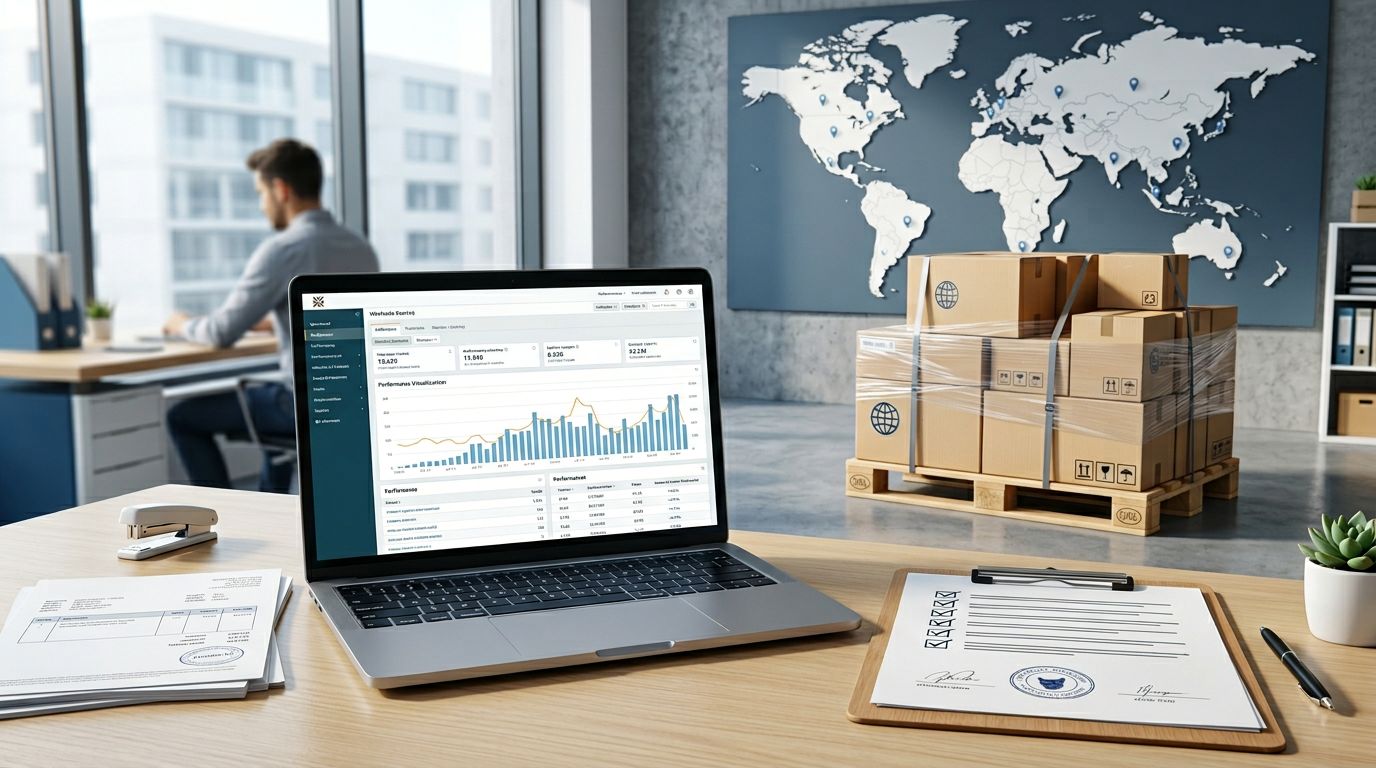
Finding amazon fba wholesale suppliers in 2026 isn’t hard, finding ones that keep your account safe is the hard part. Amazon expects traceable supply chains, clean invoices, and consistent product authenticity. If your sourcing looks like a mystery box, you’re the one who pays for it.
This guide focuses on practical execution. You’ll learn where legit suppliers actually come from, what “Amazon-ready” paperwork looks like, and how to vet a new account before you wire money or place a big PO. It’s written for sellers in the US, UK, and EU who want to scale wholesale the right way.
Get Amazon-ready paperwork first (invoices, authorization, traceability)

Wholesale is simple in theory: buy from a distributor, send to FBA, sell at a margin. In practice, most “supplier problems” are paperwork problems. In 2026, Amazon’s checks around invoices and sourcing feel tighter, especially when brands enforce IP and distribution rules.
Start by reading Amazon’s own guidance on documentation, then build your sourcing around it. Two useful reference points are Amazon’s Seller Central invoice and documentation guidance and the community thread on Seller Central invoice requirements. For a non-Amazon breakdown with examples, this wholesale invoice verification guide is also handy.
Here’s what an acceptable wholesale invoice usually needs to show (the basics Amazon asks for again and again):
- Your business name and address, matching Seller Central.
- Supplier’s legal business name, address, and contact details.
- Invoice date (commonly expected within the last 180 days for reviews and approvals).
- Line items that clearly match the product (name, UPC/EAN when available, SKU, quantity, unit price).
- Proof it’s a real business transaction (terms, totals, payment method, invoice number).
A quick way to think about it: if a stranger read the invoice, could they trace the product back to a real company without guessing?
Watch for these red flags before you ever buy:
- “Invoices” that look like retail receipts, proforma docs, or generic templates.
- A supplier that refuses to show their full company info.
- Offers that sound like gray-market stock (no traceability, “we source from many places”).
- Pressure to pay via irreversible methods only.
If a supplier can’t explain where inventory comes from, don’t become the test case. Amazon’s systems and brands both punish ambiguity.
Finally, for branded goods, ask for authorization clarity. You don’t always need a “letter” for every purchase, but you do need a supplier that can prove they’re an authorized distributor or that they buy directly from the brand.
Where to find legitimate wholesale suppliers (directories, trade shows, and direct accounts)
If you’re coming from retail arbitrage, the biggest mental shift is this: wholesale sourcing is less “hunt products” and more “build accounts.” The strongest supplier relationships usually come from one of three places: vetted directories, in-person trade, or direct outreach to brands and their distributors.
Directories can save time, as long as you treat them as a starting line, not a guarantee. For example, Worldwide Brands’ wholesale directory is a long-running database that many sellers use to locate potential suppliers. You can also browse curated lists (then verify each company yourself), like this 2026 wholesale supplier guide that discusses authorization and invoice fit.
Trade shows still matter in 2026 because they compress trust building into a single day. You can talk terms, see packaging quality, and meet the brand rep who actually approves accounts. If you want a jumping-off point for exhibitors and categories, this ASD Market Week exhibitor resource is a useful example of how to map vendors before you fly.
Here’s a quick comparison to pick the right path for your next 30 days:
| Sourcing path | Best for | Main risk | What to do first |
|---|---|---|---|
| Direct from brands | Cleanest authorization | Slower approvals | Pitch your company and channel plan |
| Authorized distributors | Fast replenishment | Catalog overlap | Confirm they’re authorized for the brand |
| Verified directories | Lead generation | Still needs vetting | Verify business records, then request terms |
| Trade shows | Relationship building | Travel cost | Pre-book meetings and bring resale docs |
Decision criteria that actually matter when choosing amazon fba wholesale suppliers:
- Invoice quality and willingness to provide full details.
- Authorization status (brand direct or documented distribution chain).
- MOQs and case packs that match your cash flow.
- Consistent replenishment (not one-time liquidation).
- Packaging, GS1 barcodes, and variation accuracy (less listing drama later).
Avoid “easy lists” from random groups, spreadsheets, Telegram, WhatsApp, or DMs. If a supplier is real, they can be found, verified, and contacted through normal business channels.
A due-diligence workflow to avoid gray-market and counterfeit risk
A good supplier feels boring. The email signature matches the legal entity, the invoice looks normal, and the terms make sense. That “boring” is your protection.
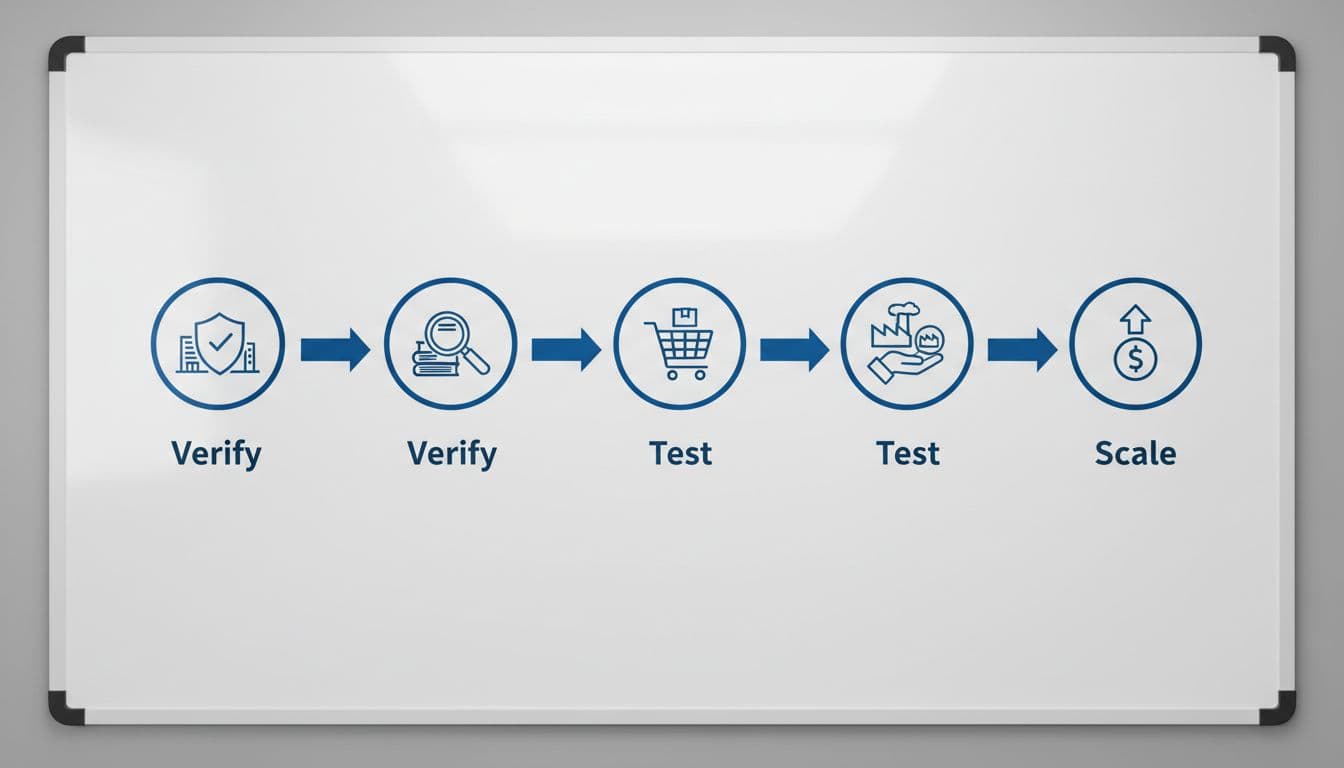
Use this due-diligence workflow before scaling any new supplier:
- Verify the company exists: Match the legal name, address, phone, and website. Check business registry info where available (US state records, UK Companies House, EU VAT databases).
- Confirm authorization path: Ask, “Are you an authorized distributor for Brand X?” If yes, request proof (brand letter, distributor certificate, or a verifiable contact at the brand).
- Request a sample invoice: You’re checking format, not prices. Make sure it includes all fields Amazon expects.
- Place a small test order: Buy enough units to inspect packaging consistency and to learn their shipping behavior.
- QC and listing match check: Validate UPC/EAN match, variation attributes, and any compliance markings (especially cosmetics, topical, baby, food).
- Profitability validation: Run landed cost (unit, shipping, prep, inbound, FBA fees, returns buffer). If the margin only works on a perfect day, pass.
- Scale with controls: Re-order in planned steps, not emotional jumps. Keep invoices organized by ASIN and date.
A simple profitability gut-check helps:
- Aim for a margin that survives price drops.
- Assume some returns and damaged units.
- Don’t ignore storage risk for slow movers.
Contact script (brand or distributor) you can copy today
Use this as a first email. Keep it short and specific.
Subject: Wholesale account request (Amazon FBA)
Hi [Name],
My company, [Legal Business Name], is a registered retailer in [Country/State]. We’d like to open a wholesale account for [Brand].We sell on Amazon FBA and follow channel and pricing policies. Can you confirm if you allow Amazon sales, and if you can provide compliant invoices showing your legal company details and itemized products?
If you’re not the right contact, who handles new wholesale accounts?
Thanks,
[Full Name]
[Company] | [Website] | [Phone]
If they reply “we don’t allow Amazon,” thank them and move on. If they allow it with conditions, get those conditions in writing.
Conclusion
Wholesale in 2026 rewards sellers who treat sourcing like compliance, not a treasure hunt. Focus on suppliers who can prove authorization, issue clean invoices, and replenish consistently. Then follow a repeatable vetting process before you scale. If you build your business around traceable sourcing, you’ll sleep better, and your Amazon account will last longer.