


A bad supplier can wreck a good product before your first review even shows up. If you’re sourcing for fulfillment by amazon, price matters, but supplier quality matters more.
Many sellers lose money because they rush from product idea to deposit, skipping the beginning of the product sourcing process. A smarter plan is to build a shortlist, successfully vet chinese manufacturers by verifying hard facts, and test small before you scale.
Build a Shortlist Before You Send Any RFQs
When sellers look for Amazon FBA suppliers in China, they often compare quotes before they compare risk. That’s backwards. Start wide, then narrow fast with a simple system.
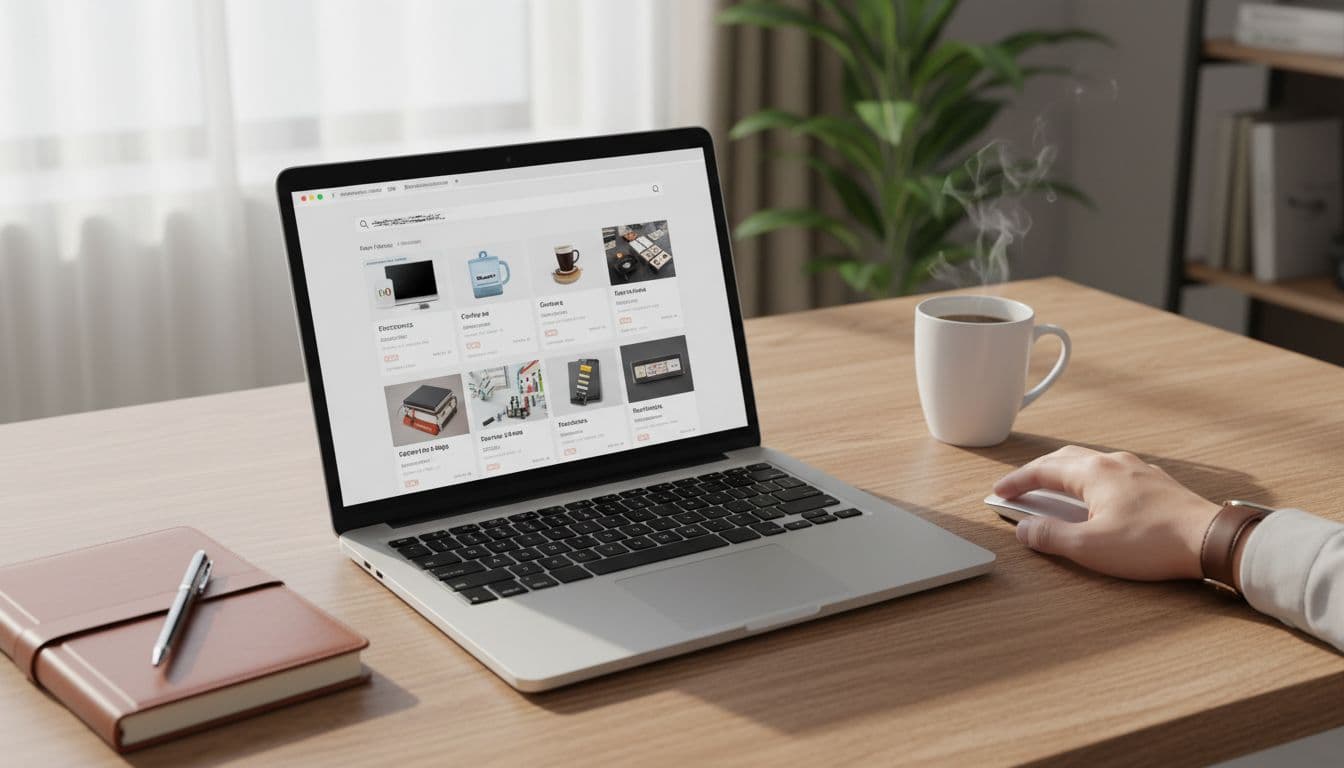
- Start with the right channels. Use Alibaba, 1688, Global Sources, alibaba, global sources, trade shows, and professional sourcing agents, not random WhatsApp leads.
- Learn the strengths of each platform. This roundup of reliable supplier platforms helps you match channel to product type.
- Search for wholesale suppliers by product keywords and materials. “Silicone kitchen tongs” beats “kitchen tools.”
- Build a shortlist of 10 to 15 suppliers. Fewer options can trap you in a weak deal.
- Look for product depth. A supplier with one item may be reselling, while a focused catalog often signals real production.
- Check export history and years active. Long history doesn’t prove quality, but it cuts obvious risk.
- Ask for the same quote from every supplier. Use one request for quotation, with quantity, specs, packaging, and target market.
- Keep a scorecard. Track reply speed, price, MOQ, sample fee, packaging options, and compliance answers.
This quick table helps you sort supplier types fast.
| Supplier type | Best for | Watch for |
|---|---|---|
| Manufacturer | Custom products, better pricing at scale | Higher MOQ, slower early replies |
| Trading company | Faster sourcing, mixed products, smaller tests | Added margin, less factory control |
Neither type is always better. For a first test order, a trader can help. For private label products and long-term brand growth, a factory often gives you better control.
For a practical baseline, this 2026 supplier checklist is a useful second opinion.
Tell Real Factories From Smooth-Talking Middlemen
Identifying authentic Chinese manufacturers is a key challenge; a polished profile can hide a weak supplier. The job here is simple: prove they can make your product, meet your standards, and ship what they promise.
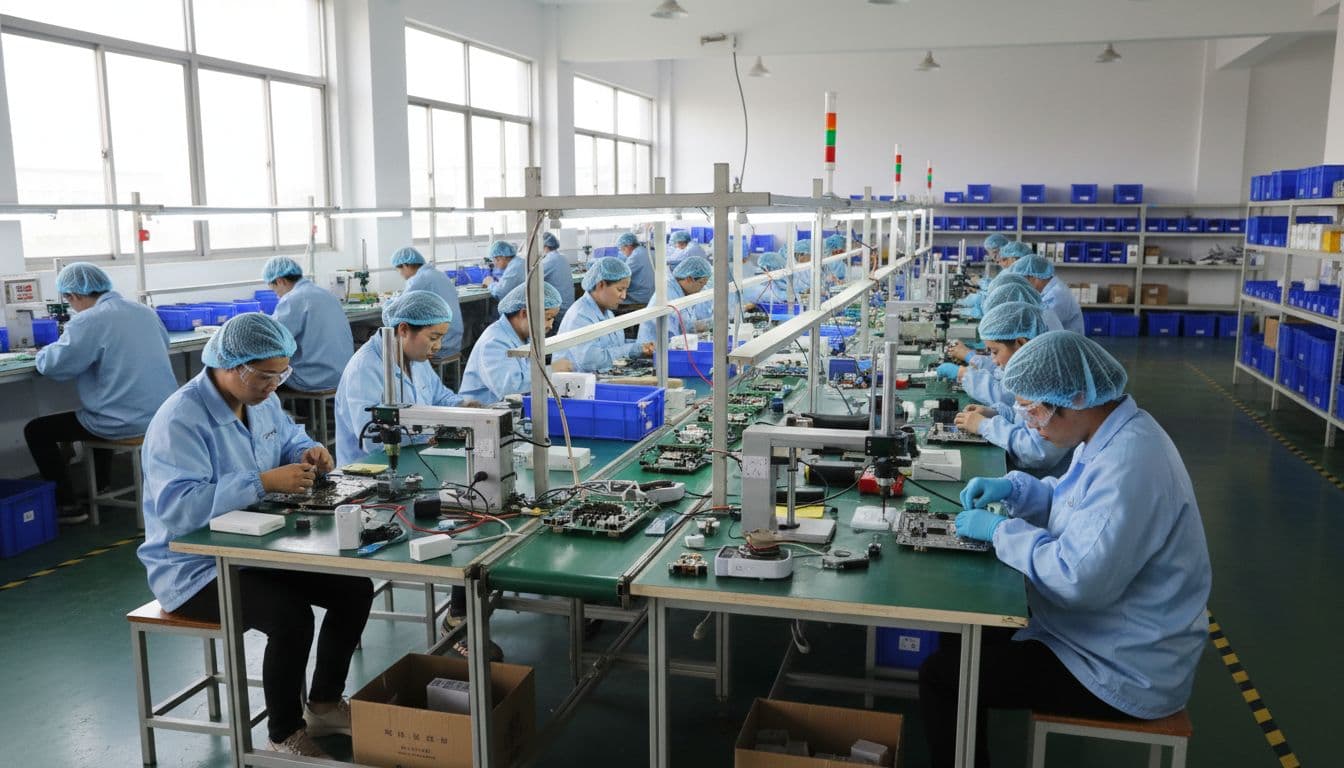
9. Ask for the business license first. Match the company name to the bank account and export documents. 10. Request factory photos and recent video. Ask for production lines, warehouse shots, and packed cartons. 11. Ask what machines they use. Real factories answer with detail. Traders often stay vague. 12. Check if they make similar products daily. A factory that builds water bottles may not be right for complex electronics. 13. Use a simple factory test. These factory vs trading company tests are useful when claims sound too smooth. 14. Verify platform badges, but don’t stop there. Alibaba’s own legitimacy checks are a starting point, not a final answer. 15. Ask for compliance documents early. For electronics, children’s goods, or food-contact items, this can save you from a dead-end supplier. 16. Book factory audits or hire a sourcing agent. One on-site visit can prevent costly, five-figure mistakes.
If a supplier dodges basic questions about materials, testing, or carton specs, walk away.
Common mistakes show up here. Sellers accept stolen certificates, trust edited photos, or skip bank-name checks. Others mistake fast replies for reliability. Fast chat is nice, but facts win. Rigorous documentation forms the backbone of quality control, and a product inspection can uncover issues that photos cannot.
Lock Down Pricing, Quality, and Delivery Before You Scale
Once you’ve found a promising supplier, the next risk is sloppy execution. This is where margins, reviews, and cash flow all meet.
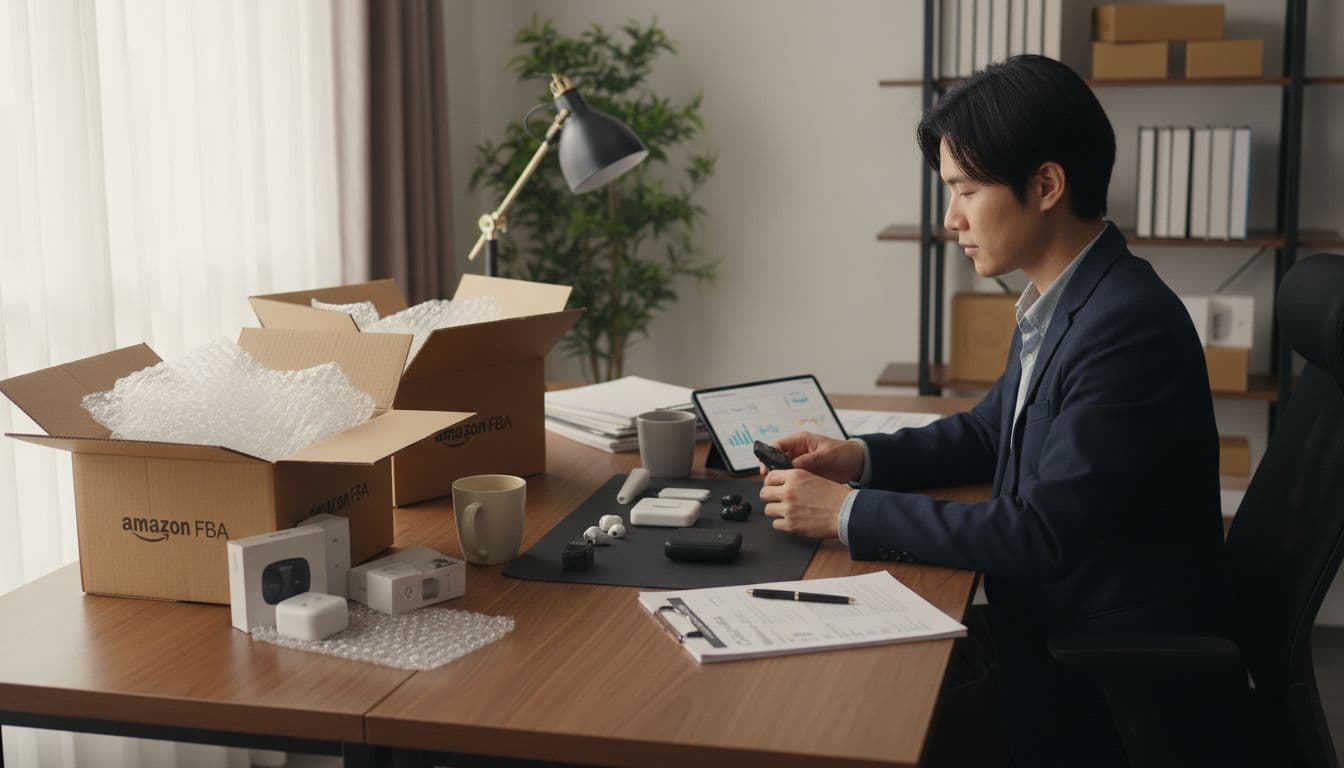
17. Ask for tiered pricing. Get quotes for 300, 500, 1,000, and 3,000 units. 18. Negotiate minimum order quantity with logic, not pressure. A good MOQ negotiation guide can help you trade lower volume for simpler packaging or fewer color variants. 19. Compare landed cost, not unit cost. A $2.80 item can lose to a $3.00 item once duty, inserts, and defects are added, affecting your overall supply chain health. 20. Order sample orders from three suppliers. Touch the product, test the packaging, and compare finish, smell, weight, and fit; sample orders are vital for product development. 21. Approve one golden sample. Use it as the standard for every future order to lock in product development quality. 22. Put specs in writing. Include materials, dimensions, tolerances, logo size, branding and labeling, custom packaging, barcode placement, and carton limits. 23. Protect your IP before tooling starts. Use a manufacturing agreement, and put mold ownership in the purchase terms. 24. Hire a pre-shipment inspection. Don’t rely on the supplier’s own pass report; add product inspection and quality control as your triple-check for stock. 25. Plan shipping and logistics early. Ask for EXW, FOB, and DDP quotes, confirm freight forwarding options, customs clearance, Amazon carton rules, FBA prep services, import regulations, and budget for tariff swings that still affect many categories in 2026.
The cheapest quote often becomes the most expensive order.
One more habit separates good buyers from struggling ones: build a real relationship. Pay on time, give clean forecasts, and reward good work with repeat orders. Negotiation becomes easier with better inventory management, and suppliers save their best effort for buyers who act like long-term partners.
A strong supplier won’t magically fix a weak product, but a weak supplier can ruin a strong one. That’s why your best move is to slow down before the first order.
Pick your top three suppliers today. Send the same RFQ, ask the same proof questions, and compare every answer line by line. That’s how you find reliable suppliers, good Amazon FBA suppliers in China, that stay reliable after the invoice is paid. Mastering shipping and logistics is the final step to scaling successfully on fulfillment by Amazon.