

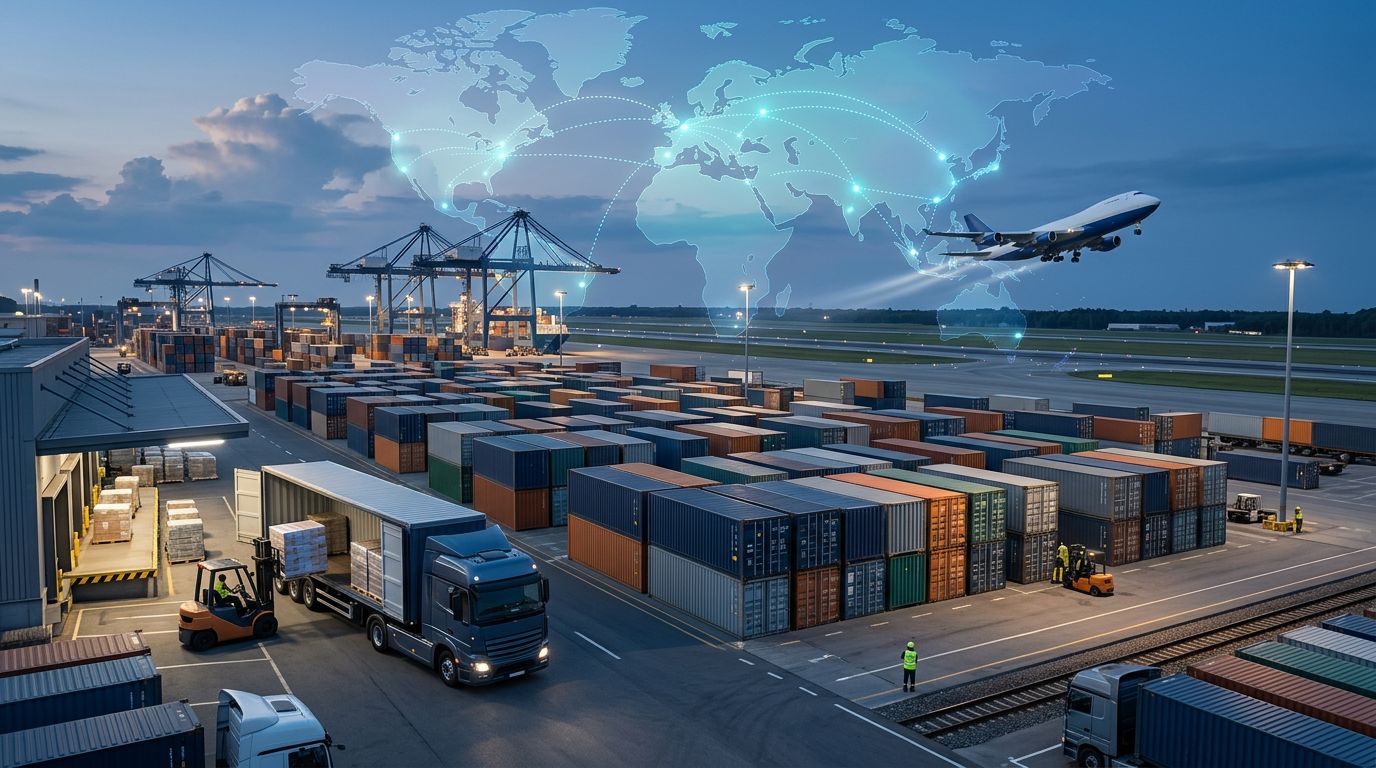
Shipping to Amazon FBA can feel like booking a flight with five layovers, plus customs, plus a warehouse appointment window. The big question in 2026 is simple: do you actually need an amazon fba freight forwarder, or can you ship on your own and keep more margin?
For many overseas-sourcing sellers, a forwarder isn’t “extra.” It’s the difference between inventory that checks in smoothly and inventory that gets delayed, rejected, or hit with surprise fees. Still, not every shipment needs one.
This guide breaks down what changed in 2026, when a forwarder pays off (with real-number scenarios), and how to run your first shipment without getting burned.
What changed for FBA shipping in 2026 (and why it matters)
In 2026, the theme is simple: Amazon expects your inventory to arrive ready. Since January 1, 2026, Amazon no longer “rescues” unprepped shipments the way some sellers relied on before. If units show up without correct labeling, polybags, suffocation warnings, or protective packaging, you risk delays, rejections, and extra charges. That pushes more work upstream to your supplier, a prep center, or a forwarder’s warehouse.
If your items aren’t fully prepped and labeled before they reach Amazon, you’re the one paying for the mistake, in time, fees, and sometimes lost sales.
At the same time, shipping costs stay volatile. Carrier surcharges change, port congestion comes and goes, and customs requirements can shift with little warning. In March 2026, broad market ranges still show a big spread between ocean and air, but the “right” choice depends on your product, cash flow, and stock level.
Also, Amazon’s inbound workflow keeps getting more rigid. Delivery appointments, carton content rules, pallet requirements, and split placements can turn a “cheap” plan into a slow one. So even if you’re capable of DIY booking, the real question becomes: can you manage the exceptions fast enough to protect your listing?
For a current, global view of shipping options and constraints, it helps to cross-check a neutral logistics overview like this Amazon international shipping guide for 2026, then confirm the latest rules inside Seller Central before you ship.
When an Amazon FBA freight forwarder is worth it (with example numbers)
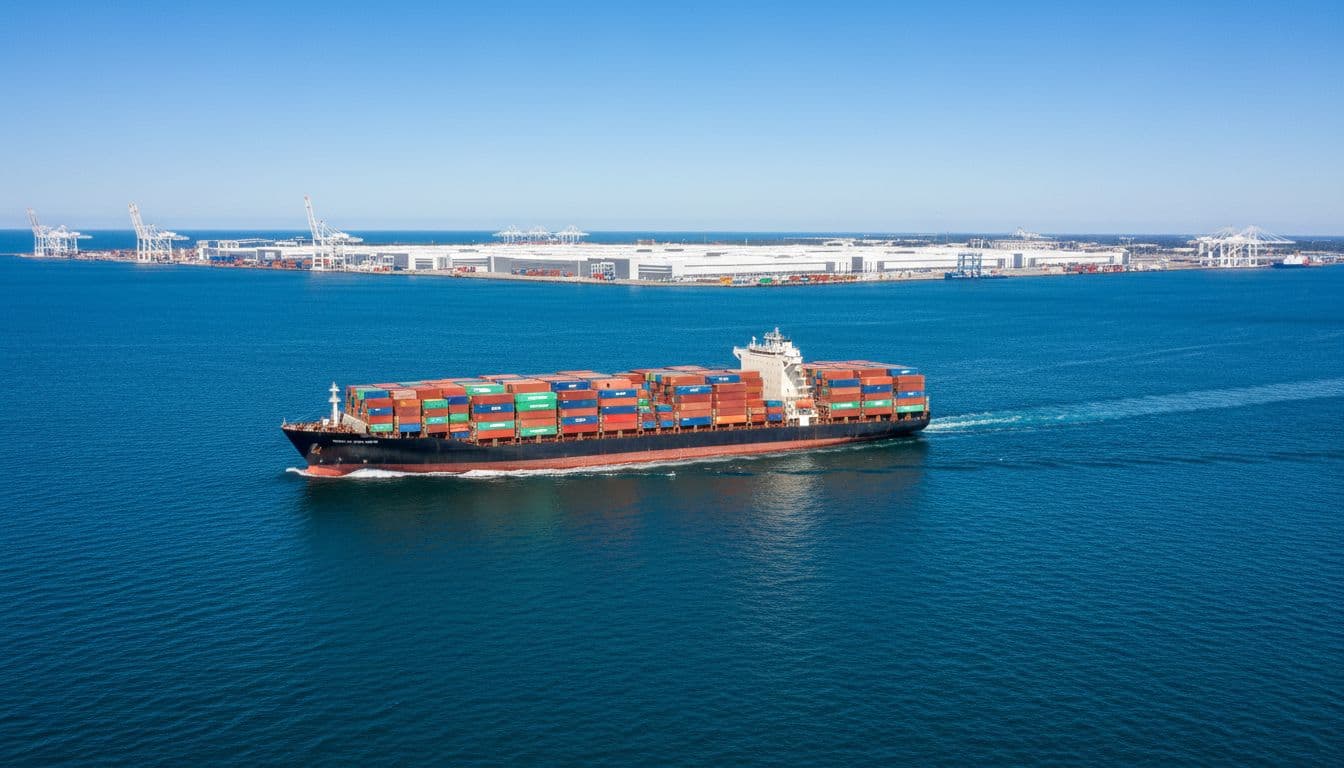
A freight forwarder is basically your “general contractor” for shipping. They coordinate pickup, export paperwork, main freight, customs clearance, and final delivery (and often labeling or inspection). In 2026, that coordination matters more because a small documentation error can snowball into storage risk and stockouts.
Two quick scenarios (numbers you can sanity-check)
Scenario A: 200 kg by economy air (restock emergency)
Let’s say you need a fast restock: 200 kg chargeable weight from Shenzhen to the US, economy air. March 2026 market pricing often lands around $4.50 to $8.50 per kg depending on speed and volume.
- Example freight: 200 kg × $6.50/kg = $1,300 (freight only)
- Add likely extras: pickup, export docs, customs clearance, duties, last-mile, plus any FBA appointment delivery handling
A forwarder helps here because air shipments still fail on details: wrong consignee, missing importer-of-record, cartons not matching plan, or no appointment delivery.
Scenario B: 2 cbm LCL ocean (planned replenishment)
Now assume 2 cbm (cubic meters) LCL ocean to a West Coast gateway. Market ranges often show about $110 to $150 per cbm for the ocean portion.
- Example ocean portion: 2 cbm × $130 = $260 (ocean portion only)
- Add destination fees: CFS handling, customs broker, delivery to Amazon, plus possible chassis or appointment charges
Ocean looks cheap, but it has more “hands” touching the freight. A forwarder can prevent the classic LCL pain: unclear fee schedules, slow deconsolidation, or missed delivery appointments.
A simple rule that holds up in 2026
If your shipment is bigger than a few cartons, crosses borders, or needs coordinated prep, a forwarder usually saves time and reduces risk. On the other hand, if you’re shipping a small test order, express courier can be simpler.
If you want a structured way to evaluate providers, this freight forwarder vetting checklist is a useful set of questions to adapt, even if you don’t follow it line-by-line.
Forwarder vs DIY vs courier vs 3PL (what you gain, what you risk)
Here’s a quick comparison to ground the decision:
| Option | Best for | Typical speed | Cost profile | Main risks |
|---|---|---|---|---|
| Freight forwarder | Regular imports, LCL/FCL, air freight, DDP options | Medium to fast | Often lowest “managed” cost | Choosing a weak forwarder, unclear accessorial fees |
| DIY booking (carriers + broker) | Sellers with logistics experience and time | Varies | Can be cheapest on paper | Mistakes in customs, appointments, documents |
| Express courier (DHL/UPS/FedEx) | Samples, small launches, urgent restocks | Fast | Highest per kg | Dimensional weight shocks, limited control on prep |
| 3PL / prep center (destination) | US/EU consolidation, kitting, relabeling | Medium | Added handling fees | More touches, more delays if inbound isn’t clean |
A forwarder tends to win when coordination is the hard part, not just the freight rate. Think of it like cooking: buying ingredients is easy, timing the whole meal is the skill.
Still, “forwarder” doesn’t mean “set it and forget it.” You’ll get the best results when you treat shipping like a process with checkpoints.
Your first shipment to FBA using a forwarder (step-by-step)

Step 1: Decide your Incoterm before you request quotes
Incoterms sound boring, but they decide who pays, who controls the shipment, and who carries the risk.
- EXW (Ex Works): You handle almost everything from the factory door onward. It can look cheap, but it shifts work and risk to you.
- FOB (Free On Board): The supplier covers costs to get goods loaded onto the vessel at the origin port. You control freight after that.
- DDP (Delivered Duty Paid): The forwarder or supplier includes duties and delivery to the destination you specify. It’s easier to plan cash flow, but you must confirm what’s included.
For a plain-English explanation you can share with a supplier, see this Incoterms guide for Amazon sellers. Then confirm the exact term and destination in writing, because “DDP to Amazon” can mean different things.
Step 2: Send a quote request that forces clear pricing
Subject: Quote request for Amazon FBA shipment (EXW/FOB/DDP)
Hi [Name],
I’m shipping to Amazon FBA in [country]. Please quote:
- Mode: air / LCL ocean / FCL (suggest best option)
- Cargo: [product], [HS code if known], batteries? yes/no
- Cartons: [#], dimensions: [L×W×H], gross weight: [kg]
- Incoterm: [EXW/FOB/DDP], pickup address: [factory city]
- Delivery: Amazon FC delivery with appointment, label and prep needed? [yes/no]
- Insurance: quote with and without cargo insurance
Please include a full cost breakdown (origin, freight, destination, customs, delivery) and estimated transit time.
Thanks, [Name]
Step 3: Compare quotes with a checklist (not just the total)
Use this quick checklist before you choose:
- All-in landed cost: Ask for a line-item breakdown, not one total.
- Incoterm and scope: What’s included in “DDP,” exactly?
- Customs details: Who is importer of record, who files ISF (US ocean)?
- Destination fees: CFS, handling, appointment, liftgate, palletization.
- Prep and labeling: FNSKU labeling, polybags, bundle rules, carton labels.
- Transit time range: Best-case and worst-case, plus cutoff dates.
- Exception handling: Who fixes mislabels, missed appointments, or split routing?
- Proof and visibility: Tracking, photos at pickup, and warehouse receiving photos.
Step 4: Run the shipment like a small project
Build a simple timeline: production finish date, pickup date, prep completion, ship date, customs clearance, delivery appointment, and check-in buffer. In 2026, that buffer is your insurance against stockouts.
Finally, re-check current Amazon inbound rules and carrier surcharges right before booking. Policies change, and the cheapest option today can become the slowest option tomorrow.
Conclusion
In 2026, you don’t always need an amazon fba freight forwarder, but you do need a plan that survives real-world friction. If you ship small parcels, courier can work. If you import by air or ocean, a good forwarder often pays for itself by preventing expensive mistakes. Keep your Incoterms clear, compare quotes line-by-line, and confirm current Amazon requirements before you book. The goal isn’t perfect logistics, it’s staying in stock without nasty surprises.