

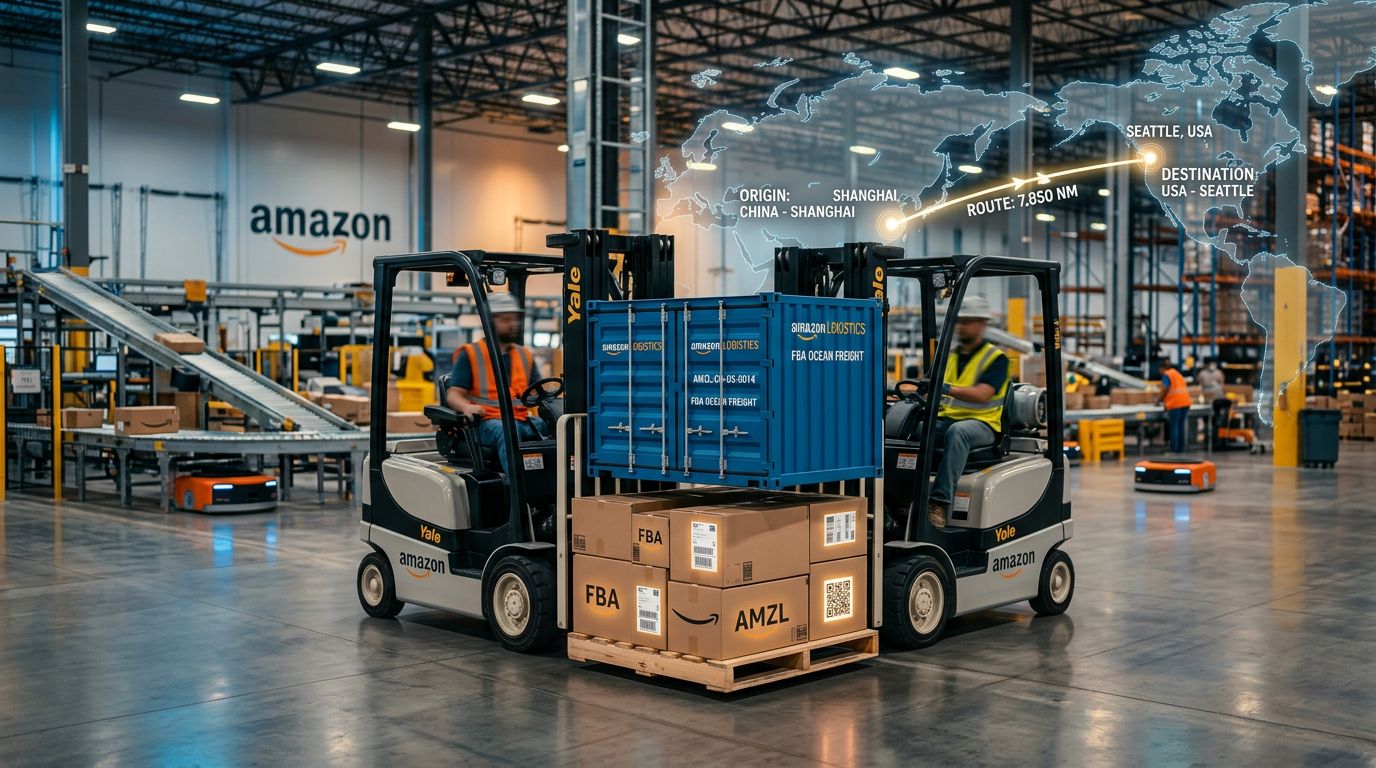
Shipping from Alibaba to Amazon FBA feels simple until your first shipment hits a labeling problem, a customs hold, or an Amazon receiving delay. In 2026, those “small” mistakes cost more because Amazon has tightened inbound requirements and shifted more prep work onto sellers.
This guide walks through Alibaba to Amazon FBA shipping from purchase order to check-in, with timelines, compliance notes, and risk controls you can copy into your process. Policies and fees change often, so always confirm the latest requirements in Seller Central before you book freight.
What’s different in 2026 (and why it changes your plan)
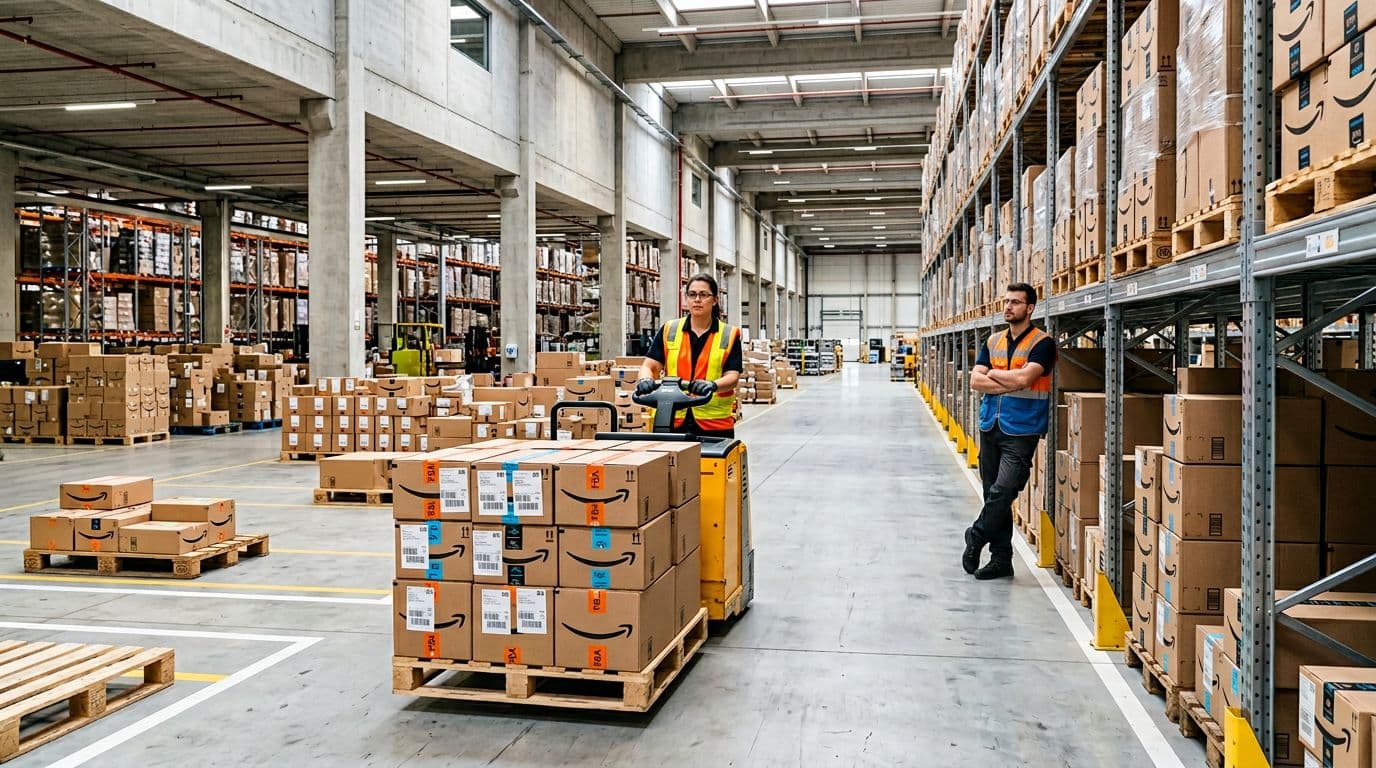
In 2026, the big shift is responsibility. Amazon expects shipments to arrive “ready to receive”, with correct unit prep, scannable labels, and cartons that match your shipment plan. Many sellers used to rely on Amazon prep services or looser barcode setups. That cushion is thinner now, and the penalties show up as delays, unplanned fees, or stranded inventory.
As of March 2026, industry guidance widely reports two US-focused changes to plan around:
- Prep and labeling is increasingly seller-owned for new shipments, so don’t assume Amazon will polybag, bubble-wrap, or label for you.
- Commingling is being phased out, which pushes most sellers toward FNSKU labeling on every unit for reliable tracking and reimbursement eligibility.
Because Amazon updates inbound rules frequently, keep a habit: review your account’s inbound shipment settings and policy notices before every new production run. If you want a quick sense of what sellers are preparing for this year, see this independent summary of 2026 packaging and labeling updates, then verify anything that affects your account inside Seller Central.
UK and EU sellers have a different “gotcha”. Even if the logistics look similar, your importer details and compliance paperwork often decide whether goods clear customs smoothly.
If you can’t clearly answer “Who is the importer of record?” before production finishes, you’re not ready to ship.
The end-to-end workflow: from Alibaba order to FBA receiving
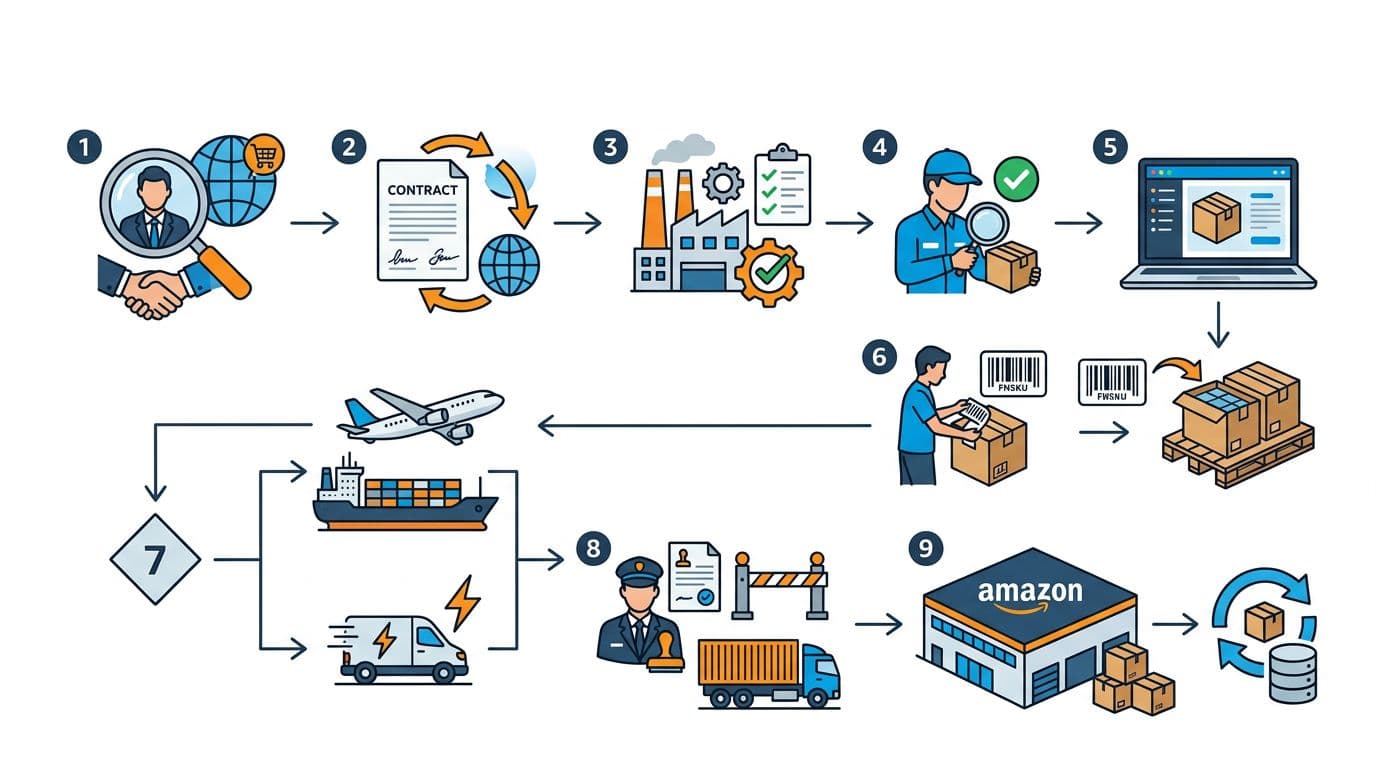
Here’s a clean sequence you can follow. The goal is to lock requirements early, then avoid last-minute fixes at the factory.
- Confirm the exact sellable unit (materials, claims, packaging, inserts). Then decide if you need lab testing, certificates, or warnings.
- Choose Incoterms in writing (common: EXW, FOB, DDP). With DDP, confirm who acts as importer of record, and what happens if customs reclassifies the goods.
- Align product compliance before mass production. For many categories, Amazon can request documentation at any time.
- Run pre-shipment QC (ideally at 80 to 100 percent production). Catch barcode placement, carton counts, and packaging failures before they leave the factory.
- Build the FBA shipment in Seller Central (shipping plan, case pack, carton labels, placement options). Do this before the factory prints labels.
- Apply FNSKU and suffocation or safety warnings where required, then confirm every unit is scannable.
- Confirm carton and pallet specs (carton size and weight limits, pallet type, pallet height rules, label placement). Match the shipment plan exactly.
- Book freight and insurance, then share final documents with your forwarder or broker (commercial invoice, packing list, HS code, IOR details).
- Deliver to Amazon (SPD, LTL, or FTL), track appointments, then reconcile received units against what you shipped.
For a plain-English refresher on unit and carton rules, this 2026 FBA packaging requirements guide is a helpful checklist style reference. Still, treat Seller Central as the source of truth for what your ASIN and destination FC will accept.
Shipping methods, timelines, and a landed-cost template you can reuse
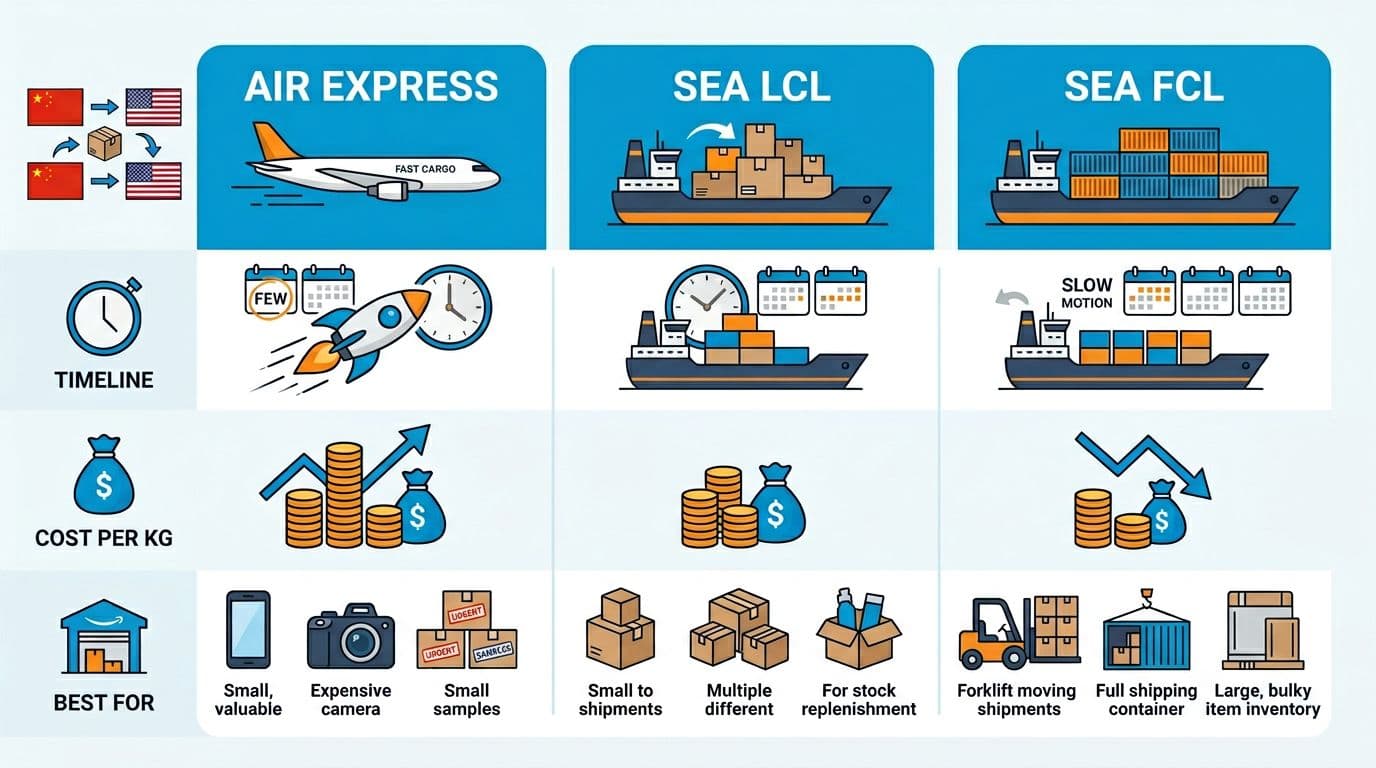
Most beginner sellers pick the wrong method for the job. The best option depends on volume, cash flow, and how painful a stockout would be.
Here are realistic door-to-door timeline ranges many sellers plan around (factory pickup to Amazon delivery). Customs, port congestion, and Amazon appointments can stretch these.
| Shipping method | Typical timeline (China to US FBA) | Best for | Watchouts |
|---|---|---|---|
| Air express (courier) | 3 to 10 days | Small, urgent restocks | Higher cost, box limits, less control over labeling errors |
| Air freight + truck | 7 to 14 days | Medium shipments, faster launches | Needs strong forwarder coordination |
| Ocean LCL | 20 to 40+ days | Smaller bulk orders | Consolidation delays, more handling risk |
| Ocean FCL | 25 to 45+ days | Large reorders | Requires stable forecasting, container booking swings |
A useful step-by-step explanation of these options (with examples of when each makes sense) is this China to Amazon FBA shipping methods guide.
US vs UK/EU: paperwork differences that matter
In the US, your forwarder or broker focuses on HS classification, duties, and importer details. In the UK, you’ll usually need an EORI number to import, and VAT handling must be decided up front. Start with the official UK EORI application guidance.
For the EU, plan extra time for product compliance checks. Depending on category, you may need CE marking, testing files, and responsible-person style documentation. If you sell regulated goods, review a CE overview like this CE marking guide for Amazon sellers and then confirm the exact directives that apply to your product.
Landed cost breakdown template (line items only)
Use this structure to stop guessing and start comparing quotes consistently:
| Line item | What to capture |
|---|---|
| Product cost (COGS) | Unit cost, MOQ, packaging cost, tooling |
| Domestic China transport | Factory to port or airport, loading fees |
| Export docs | Export clearance, documentation charges |
| International freight | Express, air, sea (LCL or FCL) |
| Cargo insurance | Coverage amount, exclusions, claims process |
| Customs brokerage | Entry filing, ISF (if applicable), disbursements |
| Duties and taxes | HS code rate, anti-dumping risk, VAT (UK/EU) |
| Destination charges | Port fees, terminal handling, demurrage risk |
| Drayage and trucking | Port to prep, prep to Amazon, appointment fees |
| Prep and labeling | FNSKU labels, polybags, cartons, inserts |
| Amazon inbound costs | Placement choice, SPD vs LTL, carrier rates |
| Buffer for exceptions | Rework, returns, storage, relabeling |
Risk controls to add before you dispatch
Keep this short, but don’t skip it:
- QC inspection with photos and counts, including carton drop-test checks if your product is fragile.
- Contract terms that match reality, including quality standard, defect rate, rework, late penalties, and who pays for failed compliance.
- Cargo insurance that covers your biggest risk, especially for ocean shipments.
- Carton and pallet spec confirmation before pickup, not after the goods are wrapped.
Conclusion
Shipping from Alibaba to FBA in 2026 is less about finding the cheapest freight and more about getting the details right the first time. Lock Incoterms and importer roles early, build your shipment plan before labels get printed, and treat QC plus insurance as part of the cost of doing business. If you tighten those steps now, your next Alibaba to Amazon FBA shipping run will feel boring, and boring is profitable.