


Counterfeits are expensive, but the fix often starts with one small code on one unit. In 2026, Amazon Transparency still gives brand owners a way to tie each item to a unique code before it reaches a buyer.
If you sell FBA, FBM, or manage a private-label catalog, the hard part is not the sign-up form. It’s the label flow, the packaging choice, and the way your team handles every unit.
Here’s how to use Amazon Transparency without turning fulfillment into a mess.
What Amazon Transparency does for your catalog
Amazon Transparency is a unit-level authentication system. Each enrolled product gets a unique code, and that code is tied to one specific item, not a whole SKU or batch.
That matters because it gives Amazon a way to check authenticity before a unit leaves fulfillment or reaches a shopper. It also gives the customer a way to verify the item with the Amazon Shopping app or the Transparency app.
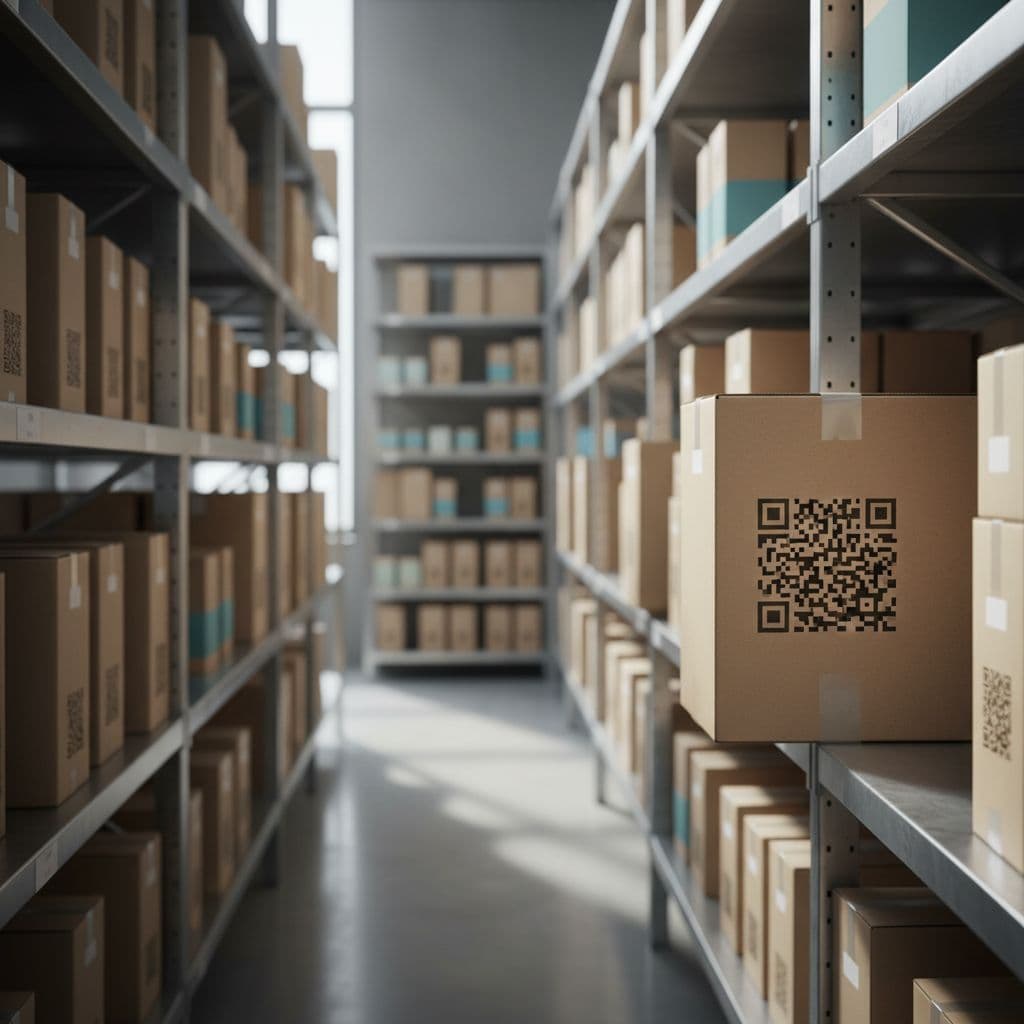
The practical value is simple. If a code is missing, duplicated, or invalid, the unit can get blocked, flagged, or delayed. That makes Transparency more than a brand-protection badge. It becomes part of your inventory control.
Amazon’s Transparency program page says active enrollment means Amazon expects valid codes before units are listed or shipped. That is the part sellers need to plan around, because it affects receiving, packing, and replenishment.
For brand owners, the upside is clear. It helps reduce counterfeit risk, and it gives Amazon a stronger way to catch bad inventory before it reaches the customer. For buyers, it adds a fast check that the item is real.
How enrollment works for brand owners
Transparency starts with brand ownership. Amazon expects the brand owner to be approved first, and that usually means Brand Registry plus a registered trademark.
If you already run a private-label brand, this is where the paperwork matters. If the brand name on the package does not match your approved brand record, enrollment gets harder. If you are still building the brand, it is better to sort out rights first and add Transparency later.
The basic flow is straightforward:
- Confirm that the brand is approved in Brand Registry.
- Select the products you want enrolled.
- Request Transparency codes for each unit.
- Build those codes into your print, pack, and ship process.
That last step is the one that trips people up. Codes do not help if they sit in a spreadsheet while the warehouse keeps shipping unlabeled goods.
Once a Transparency program is active, treat code availability like inventory. If the code is missing, the unit is not ready.
A useful rule is to enroll the product only when you can control the full path from code generation to final packing. If a third-party prep center touches your goods, they need the same process discipline you do.
Building the label and serialization workflow
Serialization sounds technical, but in practice it means each unit gets its own identity. That identity has to follow the item from print file to carton to customer.
Your workflow should answer five questions before the first batch ships: who requests the codes, who prints them, where they get applied, who checks them, and how you store unused codes. If those handoffs are vague, mistakes show up fast.
A clean setup usually looks like this:
- Your ops team exports the code set for a shipment or production run.
- The code gets printed on the product or package in the approved spot.
- Someone checks scan quality before the unit enters inventory.
- The unit ID or SKU stays matched to the Transparency code record.
- Unused or rejected labels are tracked, not tossed into a shared bin.
Packaging matters here. The code needs to stay visible and readable. If a fold, seal, curve, or glossy finish makes scanning unreliable, you create rework later. That is why many brands test a few package styles before locking in one.
If you want a plain-English refresher on label placement and print options, the Amazon Transparency label guide is useful background. It helps when you are deciding whether to print in-house, use a prep partner, or adjust packaging for better scanability.

The best systems are boring in the right way. Every unit gets the right code, and every code gets checked before the box closes.
What changes for FBA, FBM, and resellers
Transparency affects fulfillment differently depending on how you ship. The code requirement is the same, but the control points are not.
Here is a quick comparison:
| Selling model | Where the code gets checked | Main risk | What to prep |
|---|---|---|---|
| FBA | Amazon receives and scans inventory before shipping | Units can be held or flagged if codes are missing | Apply codes before inbound shipment |
| FBM | You check before you ship to the customer | Orders can stall if a unit is not coded | Build a pick-and-pack step for code checks |
| Resale of enrolled products | Amazon and your own intake process | Inventory may need valid codes before it can move | Confirm brand authorization and code source |
For FBA sellers, the main issue is inbound discipline. If a unit lands at the fulfillment center without the right code, you have already lost time. That is why many brands put code checks into their carton prep process, not after the shipment leaves the building.
FBM sellers need the same discipline, but the control point is closer to the desk. A picker can catch a missing code before the parcel goes out. That is helpful, but it also means your shipping staff needs to know what the code looks like and where to find it.
Resellers have the hardest path. Once a product is enrolled, any seller offering that item may need valid Transparency codes. If you do not control the brand, code access becomes the bottleneck. In that case, you need a direct agreement with the brand owner or a different product strategy.
How customers verify items, and why that matters

The customer side is simple. A shopper scans the code in the Amazon Shopping app or the Transparency app, then sees whether the item checks out.
That does two things for your brand. First, it gives the buyer a quick signal that the item is authentic. Second, it creates another barrier for counterfeit inventory, because copied packaging without a valid code loses its value.
This does not replace other brand-protection work. You still need clean listings, tight seller authorization, and steady monitoring of account abuse. Still, Transparency gives you a stronger control at the unit level, which is where fake goods usually slip through.
The app experience can also support the buying decision. When a customer scans a code and gets a clean result, the product feels safer to buy. That matters most in categories where trust drives repeat orders, like supplements, beauty, and premium household goods.
For brands trying to protect margin, that trust has real value. Fewer fake units means fewer complaints, fewer refunds tied to suspicious inventory, and less time spent chasing down supply-chain gaps.
Conclusion
Amazon Transparency works best when you treat it as an operations system, not a marketing add-on. The code has to match the brand, the unit, and the shipment, or the process breaks down.
If you are a brand owner in 2026, the smartest move is to build the label workflow before the next replenishment run. That keeps your inventory moving and keeps counterfeit risk lower.
The sellers who get the most from Amazon Transparency are the ones who make it part of packing, receiving, and approval checks. When that happens, the system stops feeling like extra admin and starts acting like a real guardrail.