


Amazon may collect tax on many marketplace orders, but your sales tax work doesn’t end there. In 2026, US sellers still deal with nexus tracking, registrations, filings, notices, and tax risk across non-Amazon channels.
The hard part is choosing software that fits how you sell. A small FBA brand needs something different from a multichannel operator with Shopify, wholesale, and an outside accountant.
Some tools are built for self-serve use. Others are closer to an outsourced tax team. That difference matters more than the feature list.
Why US Amazon sellers still need sales tax software
Marketplace facilitator laws took a big burden off Amazon sellers. For many Amazon orders, the marketplace collects and remits tax on the seller’s behalf. That helps, but it doesn’t erase compliance.
You may still need to register in states where you have nexus. You may still need to file returns, even if Amazon collected the tax. And if you also sell on Shopify, Walmart, WooCommerce, or through wholesale accounts, those sales can create separate tax duties.
FBA makes the picture messier. Amazon can move inventory across state lines, which can create physical presence issues. Economic nexus rules add another layer because many states set thresholds based on revenue or transaction volume. A seller can cross those limits faster than expected during Q4, Prime events, or a wholesale push.
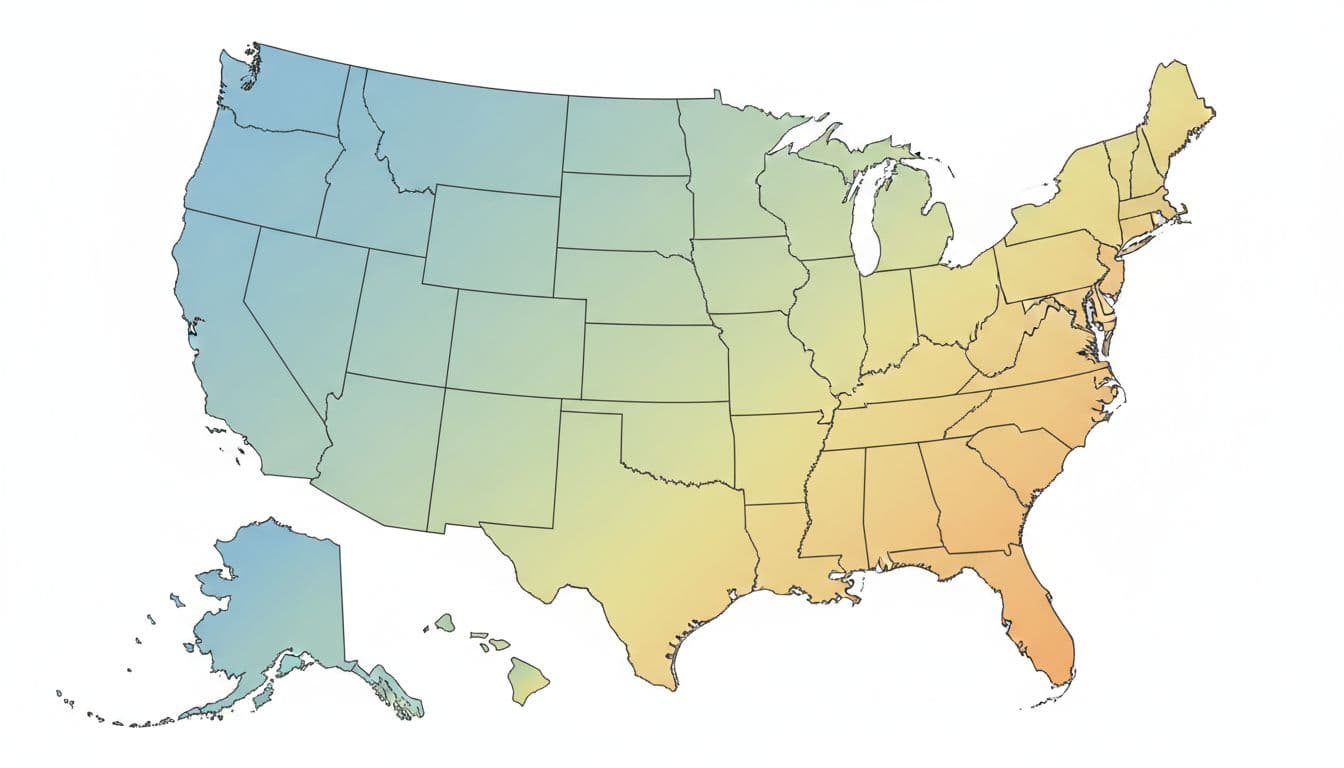
A good tool keeps that state-by-state exposure visible before it turns into a cleanup job. That matters because late registrations and missed returns can trigger penalties even when the tax collected is low.
Marketplace facilitator rules reduce collection work on Amazon, but they do not remove registrations, returns, or multichannel exposure.
This is why marketplace seller compliance guidance keeps stressing the same point: sellers still need a system that tracks where they owe, what the marketplace handled, and what still lands on the business. If your only process is a spreadsheet and a monthly panic session, you’re already behind.
Features that matter most in 2026
The best Amazon sales tax software does more than calculate rates. For US sellers, the core job is tracking liability and turning messy channel data into clean filings.
First, look at nexus tracking. You want clear state-by-state alerts based on sales volume, transaction count, and, where relevant, inventory movement. If the software only shows tax collected, it misses the more useful question, “Where do I need to register next?”
Second, check filing automation. Some tools stop at reporting. Others file returns, remit tax, and keep a record of what was sent. That gap matters because the last mile is where most manual errors happen.

Third, look hard at Amazon and ecommerce integrations. Amazon Seller Central is only part of the picture for many brands. If you also use Shopify, Stripe, WooCommerce, or an ERP, the software should pull that data without CSV gymnastics. The more channels you run, the more valuable clean sync becomes.
Then there’s exemption certificate support. Not every Amazon seller needs deep certificate management. But if you sell wholesale, B2B, or to exempt buyers, this can move from “nice to have” to “non-negotiable.” Enterprise platforms usually go deeper here, while seller-first tools focus more on filing and nexus. Ask for a live demo if exemption workflows matter to you.
Also check notice handling and accountant access. States send letters. Accounts get reassigned. Returns need review. Good software makes it easy to share access, export clean reports, and keep an audit trail.
Pricing matters too, but the sticker price can fool you. A lower monthly fee often means more self-service work. A higher fee may include registrations, filings, remittance, and notice support. When comparing plans, price the labor you save, not only the subscription.
Comparison table: the leading tools at a glance
This table shows the tools most US Amazon sellers are likely to consider in 2026.
| Tool | Best fit | Amazon and channel support | Filing automation | Nexus tracking | Pricing structure | | | | | | | | | TaxJar | Most small to mid-sized sellers | Strong Amazon support, plus Shopify, Woo, Stripe, and API | AutoFile available, reported in 40+ states | Yes | Public monthly pricing, often around $99 to $300 depending on volume | | Zamp | Sellers who want managed compliance | Amazon-focused, plus broad US channel coverage | Yes, with registrations and notice support | Yes | Custom or transaction-based pricing, based on scope | | Avalara | Large brands and ERP-heavy teams | Broad ecommerce, marketplace, ERP, and Amazon support | Yes | Yes | Quote-based enterprise pricing | | Commenda | High-growth, high-volume sellers | Amazon data centralization, multistate workflows | Yes | Yes | Quote-based pricing | | TaxCloud | Budget-minded sellers with simpler setups | Marketplace and ecommerce support, lighter feature set | Filing available, with SST advantages in some states | More limited than enterprise suites | Lower-cost monthly pricing |
The short version is simple. TaxJar is the safest starting point for most sellers. Zamp is better if you want hands-on help. Avalara fits larger operations with tougher system needs. Commenda is worth a look when nexus and filing complexity are climbing fast. TaxCloud can work when budget matters most and your setup is still fairly simple.
One more note on the table: exemption certificate depth is not equal across these tools. If wholesale or resale documentation is a major part of your business, confirm that workflow early.
The top Amazon sales tax tools, reviewed
TaxJar is still the easiest starting point for most sellers
For many brands, TaxJar remains the most practical first choice. It connects directly with Amazon and also supports Shopify, WooCommerce, Stripe, and custom setups through its API. That makes it a good fit for sellers whose business outgrew spreadsheets but doesn’t need an enterprise tax stack.
Its biggest draw is balance. You get nexus visibility, reporting, and AutoFile, without a heavy setup process. Public pricing has generally sat in the roughly $99 to $300 monthly range, depending on order volume and features, which keeps it reachable for smaller teams.
TaxJar is strongest when you want self-serve software that still handles real work. It is less compelling if you want someone else to own registrations, notices, and state back-and-forth. For accountant collaboration, though, it usually lands in a comfortable middle ground. Reports are clean, the learning curve is manageable, and the Amazon connection is familiar to seller teams.
Zamp fits sellers who want a managed service, not another dashboard
Some sellers don’t want “software” as much as they want the problem off their plate. That’s where Zamp’s US sales tax platform stands out. Its pitch is managed compliance across US jurisdictions, including calculations, filings, registrations, and notice management.
That model works well for brands with rising volume, messy nexus exposure, or lean internal finance teams. It also appeals to founders who know they won’t log into a tax dashboard every week. Instead of asking the seller to do everything inside the app, Zamp leans into service and oversight.
The tradeoff is price visibility. Unlike public monthly plans, managed solutions usually require a quote. That can still pencil out if your alternative is internal staff time plus risk.
A recent Amazon FBA integration roundup also highlights how much sellers now care about filing coverage, remittance handling, and direct marketplace connections. That buyer behavior makes sense. By the time tax becomes painful, most teams want outcomes more than features.
Avalara is the stronger choice for complex, larger operations
Avalara’s retail and ecommerce tax tools are built for businesses with more moving parts. If you’re dealing with multiple channels, ERP connections, product taxability issues, or a growing wholesale arm, Avalara earns its place on the shortlist.
Its strength is breadth. Avalara supports real-time calculation across thousands of jurisdictions, applies product- and geography-based rules, and plugs into major systems like NetSuite, SAP, and Oracle. For finance managers, that matters because sales tax rarely stays inside Amazon for long.
If you also want Amazon-specific connectivity, Avalara has a dedicated Amazon marketplace integration page. That setup is more likely to fit established brands than first-time sellers.
The main caution is cost and complexity. Avalara usually makes sense when tax is part of a broader finance stack, not a standalone seller tool. You pay more, and setup can take longer, but the platform gives larger teams more room to grow. This is also one of the better places to start when exemption certificate workflows matter.
Commenda is built for sellers who need better control as complexity rises
Commenda’s Amazon integration focuses on a pain point many fast-growing sellers hit: scattered data, unclear exposure, and too much manual cleanup before filing. Its approach is to centralize Amazon data, settlement reports, and tax details, then use that data for nexus tracking and filing across required jurisdictions.
That makes Commenda appealing for high-volume FBA brands and operators managing rapid state expansion. It is less of a beginner pick and more of a scale pick. If your business already has real multistate exposure, that extra control can be worth it.
Pricing is quote-based, so you need a demo to judge fit. Still, the positioning is clear. Commenda is for sellers who want more automation than a basic self-serve tool, but who may not need a full enterprise tax suite.
TaxCloud is worth a look if budget is the main filter
TaxCloud doesn’t always lead seller roundups, but it remains relevant for smaller operators who want a lower-cost option. The tradeoff is depth. You should not expect the same breadth you get from Avalara, or the managed support you get from Zamp.
Still, a lighter tool can be enough when your setup is simple. If most of your sales stay on Amazon, your non-marketplace activity is small, and you want a low-friction path into automated filing, TaxCloud can make sense. Its pricing is usually easier to stomach than enterprise platforms, and SST member-state filing benefits can help in some cases.
This is the tool to test when cost control leads the decision. It is not the one to pick if you expect rapid multichannel growth or heavy accountant review.
Best picks by seller type
Different sellers need different kinds of help. Matching the tool to the business model matters more than chasing the longest feature list.

Small sellers and newer brands
Start with TaxJar if you want the safest mix of ease, automation, and reasonable monthly cost. It handles the basics well and won’t bury a small team in setup. TaxCloud is the lower-cost wildcard if your situation is simple and budget is tight.
Multichannel brands
Pick Zamp or Avalara when Amazon is only one sales source. Once Shopify, wholesale, or other channels matter, tax data gets messy fast. Zamp makes sense if you want help managing the whole process. Avalara makes sense if your finance stack is already more mature.
High-volume FBA sellers
Commenda and Zamp are strong here. High-volume FBA businesses deal with inventory movement, state exposure, and filing load that basic tools can struggle with over time. Commenda leans toward control and automation. Zamp leans toward managed execution.
Sellers working with accountants
Avalara is often the cleanest fit for larger finance teams. TaxJar also works well when the accountant wants easy access and simple exports. If your accountant wants the software to handle most filing work with less client follow-up, Zamp can reduce a lot of handoffs.
If your accountant will review returns, ask about user permissions, export quality, and notice handling before you ask about dashboards.
How to make the final choice without paying for too much
Most sellers can narrow the field with four questions.
- Do you want software, or do you want a managed service?
If you want to stay hands-on, TaxJar is easier to justify. If you want someone else to handle filings and notices, look at Zamp first. - How many channels matter today, not someday?
Amazon-only sellers can stay lighter. Sellers with Shopify, wholesale, or ERP connections should move upmarket sooner. - How complicated are your state obligations already?
If nexus exposure is spreading and FBA inventory is moving often, basic reporting won’t be enough for long. Commenda or Zamp may save a later migration. - Will exemption certificates matter in the next year?
If yes, push Avalara higher on the list and ask every vendor for a live walkthrough.
A short trial or demo is worth more than a long feature sheet. Ask each vendor to show your real workflow, Amazon imports, nexus alerts, filing calendar, and how they handle marketplace-collected tax on returns.
Conclusion
The best choice comes down to how much tax work you want to own. For most US Amazon sellers in 2026, TaxJar is the best balance of price, ease, and automation. When complexity rises, Zamp, Avalara, and Commenda become more attractive for different reasons.
Amazon’s marketplace tax rules help, but they don’t finish the job for you. The right software gives you clean data, fewer filing surprises, and a much better chance of staying ahead of state compliance.