


Scaling feels exciting until cash gets tight, fees creep up, and one inventory mistake snowballs into stockouts. In 2026, the sellers who grow aren’t the ones “working harder.” They’re the ones who treat Amazon like a math problem with guardrails.
This guide shows how to scale amazon fba with controllable levers: unit economics, PPC efficiency, inventory discipline, and repeatable ops. It also bakes in 2026 realities like higher FBA fees, stricter prep expectations, and faster cash hits from removals.
Start with unit economics you can defend (not revenue)
If you don’t know your profit per unit, you don’t have a scaling plan, you have a wish. Amazon’s January 2026 fee increase (about $0.08 per unit on average) sounds small, but it stacks quickly when you scale spend and inventory. Meanwhile, removal and disposal fees charging per unit at processing (not per order) can turn slow movers into instant cash drains.

Here’s a simple target model for a typical $29.99 item:
- Landed cost (product + freight + duties): $8.50
- FBA + referral fees (example): $10.50
- PPC at scale (aim): 10% of sales = $3.00
- Returns/allowance (2%): $0.60
- Contribution margin: $29.99 − $22.60 = $7.39 (about 25%)
That $7.39 is what funds growth. From it, you still pay software, 3PL, and labor. If your contribution margin is under 15%, scaling often increases stress faster than profit.
Use this “scaling scorecard” in a weekly review:
| Metric | What to watch | “Healthy” scaling range |
|---|---|---|
| Contribution margin % | Profit before overhead | 20% to 35% |
| TACoS | Total ad spend / total revenue | 8% to 15% (category dependent) |
| CVR | Sessions to orders | Improve by 10% before raising spend |
| Refund rate | Returns and concessions | Under 6% for most categories |
| In-stock rate | Days in stock | 98%+ on your top ASINs |
If one lever breaks (conversion, CPC, AOV, returns), scaling multiplies the damage.
For a broader view of what’s changing this year, skim areas to focus on when scaling in 2026 and compare it to your own constraints (cash, lead times, and catalog maturity).
A tight PPC audit checklist (built for profit)
Before you raise budgets, clean the pipes. Run this every 14 days on your top campaigns:
- Search term waste: Cut terms with spend above 1.5x target CPA and zero sales.
- Match type drift: Move proven terms into exact, then lower bids in broad.
- Placement reality: If Top of Search has high CPC and weak CVR, cap it.
- Budget starvation: Raise budgets only on campaigns with stable conversion.
- New-to-brand signals: If you rely on coupons, measure true post-coupon margin.
If you need help pressure-testing profitability inputs (fees, PPC, break-even), a neutral reference is a roundup of FBA calculator options to sanity-check your own spreadsheet.
Scale inventory in 2026 with fewer “big bets” and better forecasting
In 2026, inventory mistakes cost more than they used to. Amazon has tightened inventory limits and pushes inventory placement decisions that can increase inbound complexity. At the same time, Amazon ended U.S. FBA prep services as of January 1, 2026, so you must label, poly-bag, bundle, or bubble-wrap correctly before inventory arrives. One prep error can trigger delays, rejections, or unplanned fees.

The mindset shift: don’t “order more,” order smarter. Tie every PO to a reorder point, and treat cash like inventory.
Inventory planner template (simple, but it works)
Use one row per ASIN. Update weekly for your top sellers.
| Field | Example | Why it matters |
|---|---|---|
| Avg daily sales (30d) | 18 | Demand baseline |
| Lead time (days) | 45 | Drives reorder point |
| Safety stock (days) | 14 | Buffers delays |
| Reorder point (units) | 18 × (45 + 14) = 1,062 | When to reorder |
| Target cover (days) | 70 | Avoids limits and cash traps |
| Max on-hand (units) | 18 × 70 = 1,260 | Keeps you disciplined |
Now add two 2026-specific checks:
- Prep capacity check: Can your factory or 3PL meet Amazon packaging and labeling rules consistently? If not, slow down growth until that’s fixed.
- Exit plan for slow movers: Because removals hit cash faster now, set a rule like, “If 60 days of supply with weak sell-through, drop price, coupon, or remove.”
Also watch inbound strategy. Amazon may split shipments across fulfillment centers, and single-location inbound can come with extra placement costs. Build that into landed cost instead of being surprised later.
Finally, plan for supply chain friction. With the de minimis exemption ending (under $800), low-value imports can carry more duty and documentation work. Budget for duties, confirm HS/HTS codes with your broker, and consider a second supplier or near-shore option for your best ASINs.
Build an operating system: SOPs, team roles, and a practical tool stack
Scaling breaks sellers in boring places: listing updates, refund spikes, stranded inventory, and messy handoffs. Systems solve that. If you want a clear “systems-first” view, these core scaling systems map well to what actually reduces daily chaos.
A lean SOP outline for Amazon FBA ops
Keep SOPs short and checkable. Each one should fit on 1 to 2 pages.
- Inbound SOP: Carton labels, FNSKU rules, packaging photos, “Send to Amazon” workflow, and a rejection response plan.
- PPC SOP: Bid rules, search term harvesting schedule, and a change log.
- Listing SOP: Main image rules, A+ updates cadence, variation policy guardrails, and review-response boundaries.
- Returns and reimbursement SOP: Defect triage, SAFE-T documentation (for FBM where relevant), and weekly reconciliation.
For the team, start with roles that remove bottlenecks: VA for catalog hygiene, part-time PPC operator (or you, with strict rules), and a reliable prep/3PL partner.
Tool stack that supports scale (without bloat)
Keep it boring and dependable:
- Analytics: Seller Central business reports plus a simple profit dashboard (spreadsheet is fine).
- Inventory forecasting: A dedicated forecast sheet or lightweight forecasting tool that tracks lead time and cover days.
- Repricing: Only if you compete in price-sensitive categories, otherwise skip it.
- Accounting: Proper bookkeeping with COGS, landed cost, and inventory valuation (monthly close, not yearly panic).
30/60/90-day scaling plan (what to do next)
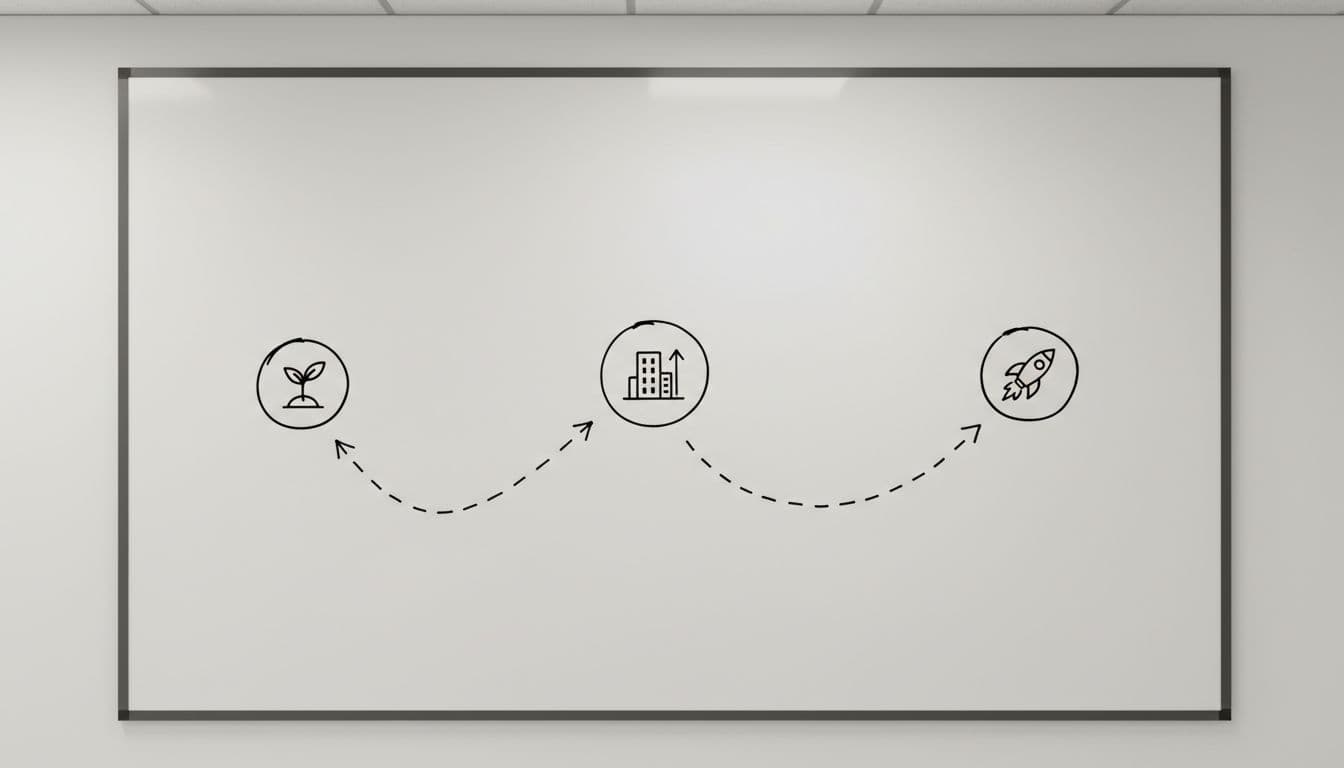
Here’s a realistic plan that protects cash:
| Timeframe | Focus | Outputs you should have |
|---|---|---|
| Days 1 to 30 | Profit cleanup | Updated true COGS, break-even ACoS per ASIN, negative keyword backlog cleared |
| Days 31 to 60 | Inventory discipline | Reorder points set, prep SOP locked, removal rules for slow movers |
| Days 61 to 90 | Controlled expansion | Budget increases tied to CVR goals, one new variation or add-on tested, weekly ops rhythm running |
Conclusion
To scale amazon fba in 2026, act like a CFO first and a marketer second. Tight unit economics, strict inventory rules, and simple SOPs make growth feel steady instead of frantic. Start by protecting contribution margin, then scale the parts you can measure and repeat. What would change this month if every decision had to pass a cash-flow test first?