

If you’ve ever seen a product arrive in two days with a Prime badge, you’ve already met the engine behind many amazon fba store sales.
An Amazon FBA store is not a separate website you build. It’s a selling business on Amazon where Amazon handles storage, shipping, customer service, and most returns for you. You bring the product, Amazon handles the heavy lifting.
That sounds simple, but the details matter, especially costs and rules. Below is what an amazon fba store is, how it works step by step, what it tends to cost in 2026, and how to decide if it fits you.
How an Amazon FBA store works (in plain steps)
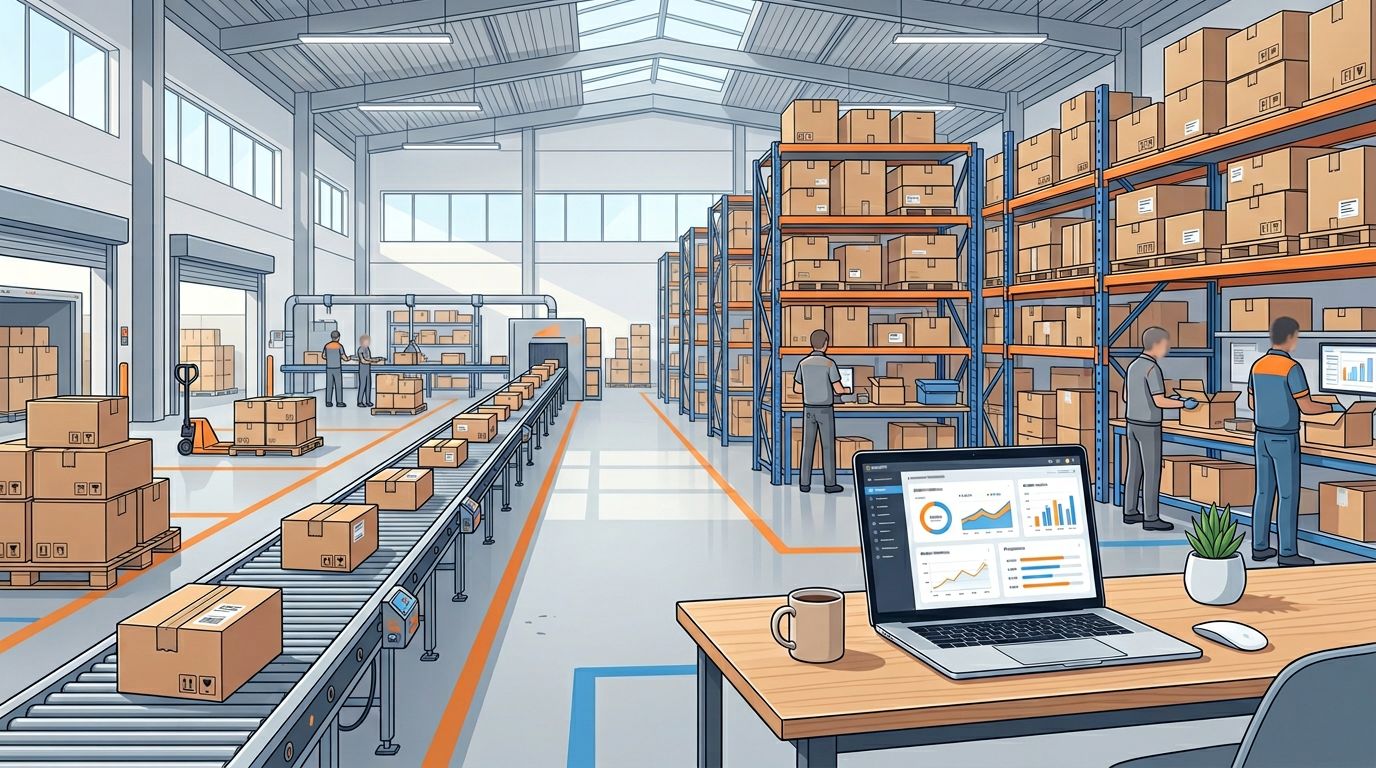
Think of FBA like renting space in Amazon’s warehouse and hiring Amazon’s shipping team at the same time. You still own the inventory, choose your prices, and control your product quality. Amazon takes over once a customer clicks “Buy.”
Here’s the typical flow:
First, you set up an Amazon seller account in Seller Central, choose a selling plan, and create product listings (title, photos, bullets, and so on). Next, you prep inventory so it meets Amazon’s requirements, which can include labels, poly-bags, or safety warnings depending on the item.
Then you create an FBA shipment and send units to Amazon fulfillment centers. Once your items check in, Amazon stores them and ships each order as it comes in. Amazon also handles buyer messages related to delivery and returns in many cases.
That’s the core of an amazon fba store: you run the product and brand, Amazon runs fulfillment.
FBA also changes how customers see your offer. Many FBA listings qualify for Prime shipping, which can help conversion because buyers trust fast delivery. In addition, FBA can make it easier to compete for the Buy Box when your pricing and stock stay healthy (it’s not guaranteed, but it often helps).
For Amazon’s own overview of what FBA includes, see Fulfillment by Amazon (FBA). If you want a beginner-focused walkthrough of what happens operationally, this guide on what FBA is and how it works lays it out clearly.
A useful mental model: an amazon fba store is a product business first, and a logistics setup second. If the product can’t win on value, FBA can’t “save” it.
What an Amazon FBA store costs in 2026 (and why margins get tight)
FBA costs feel confusing at first because you don’t pay “one fee.” You pay several fees that stack together, plus optional costs you choose (like ads).
The most common cost buckets are:
- Referral fee: A percentage of the sale price, set by category (often in the 8 to 15 percent range).
- FBA fulfillment fee: A per-unit fee based on size, weight, and sometimes price tier.
- Storage fees: Monthly charges based on space your inventory takes, with higher risk if items sit too long.
- Inbound shipping and prep: Shipping inventory to Amazon and paying for prep help (if you don’t do it yourself).
- Returns and exceptions: Return processing can apply on certain categories, and inventory issues can create extra charges.
In March 2026, the key “watch this” update is that U.S. FBA fulfillment fees increased on average starting January 15, 2026. Standard-size items in common price bands saw smaller average increases, while some oversize items moved more. Policies and fee tables also change during the year, so you should verify your exact rates inside Seller Central before you place a large order. For context on the 2026 changes and how sellers are adapting, see Amazon FBA fee changes in 2026.
Storage is the other silent profit killer. A product that sells slowly can look profitable on paper, then bleed in storage. This overview of Amazon FBA storage fees is a good reminder to plan inventory turns, not just sales.
A quick numeric example (fees vs. profit)
Let’s say you sell a kitchen item for $29.99.
- Product cost (COGS): $10.00
- Referral fee (15%): $4.50
- FBA fulfillment fee (example): $4.20
- Average storage and inbound (example): $0.70
- Ads (optional, example): $3.00
Estimated profit: $29.99 minus ($10.00 + $4.50 + $4.20 + $0.70 + $3.00) = $7.59.
That’s about a 25% margin. If your fulfillment fee rises by $0.08 per unit and ad costs creep up, that margin shrinks fast. This is why an amazon fba store lives or dies on tight math and clean operations. If you want a calculator-style breakdown approach, this guide to Amazon FBA fees in 2026 is a helpful starting point.
FBA vs FBM vs 3PL fulfillment (which one fits your business?)
“Should I use FBA?” is really three questions: How much control do you need, how predictable is demand, and where else do you plan to sell?
Before choosing, it helps to compare the three most common setups side by side.
| Option | Who stores and ships? | Best fit | Main tradeoffs |
|---|---|---|---|
| FBA | Amazon stores, packs, ships, handles many returns | Prime-eligible offers, simpler day to day, steady demand | Layered fees, less packaging control, storage risk |
| FBM | You (or your team) stores and ships | Low volume, oversized items, custom bundles, tight control | More work, slower shipping can hurt conversion |
| 3PL | A third-party warehouse ships for you | Multi-channel brands (Amazon + Shopify), custom packaging | Extra vendor management, pick fees, integration work |
With an amazon fba store, you often trade control for convenience. That trade can be worth it when your item is small, durable, and sells consistently. On the other hand, FBM can win when products are bulky, fragile, or need special packing that Amazon won’t do the way you want.
A 3PL sits in the middle. It can be great if you want one pool of inventory for Amazon and your own site, plus branded unboxing. Still, you’ll manage another relationship and service-level expectations.
If you want more detail on the differences, these comparisons are useful: FBA vs FBM fulfillment comparison and this 2026-focused look at FBA vs FBM vs 3PL tradeoffs.
Compliance and safety basics (restricted products, IP, liability)
An amazon fba store can grow quickly, but Amazon can also shut listings down quickly. Many beginner issues come from selling something restricted, using branded terms incorrectly, or skipping basic safety steps.
Start with restricted and approval-based products. Some categories need Amazon approval before you list, and others require documents like lab reports, safety certificates, or valid supplier invoices. Be careful with anything that touches the body (cosmetics, supplements), anything with batteries, and anything that could be seen as a medical device.
Next, treat intellectual property like a hot stove. Don’t use trademarked brand names in your listing unless you have the right to. Also avoid lookalike packaging that could confuse buyers. If you’re reselling branded products, keep clean invoices from legitimate distributors.
Finally, take product safety seriously. You’re responsible for safe labeling, accurate claims, and compliant materials. If a product harms someone, the consequences can be real (account health, refunds, and legal exposure). This is general info, not legal advice, but it’s smart to talk to an insurance broker about product liability coverage if you plan to scale.
If you can’t prove what the product is, where it came from, and that it’s safe, don’t list it.
Conclusion: Is an Amazon FBA store worth it in 2026?
An amazon fba store is a business that sells on Amazon while Amazon handles fulfillment. For beginners, that can remove a huge logistics headache. However, FBA doesn’t remove the need for solid products, clean sourcing, and careful profit math.
If you’re considering starting, pick one simple product, model the fees conservatively, and plan inventory so it doesn’t sit. Then decide whether FBA, FBM, or a 3PL fits your goals for control and growth.